The Pope and Latin America
Pope Leo XIV wraps up his Latin American tour, visiting Uruguay, Argentina and Peru, concluding tomorrow after a historic pilgrimage.
Also available in: Español
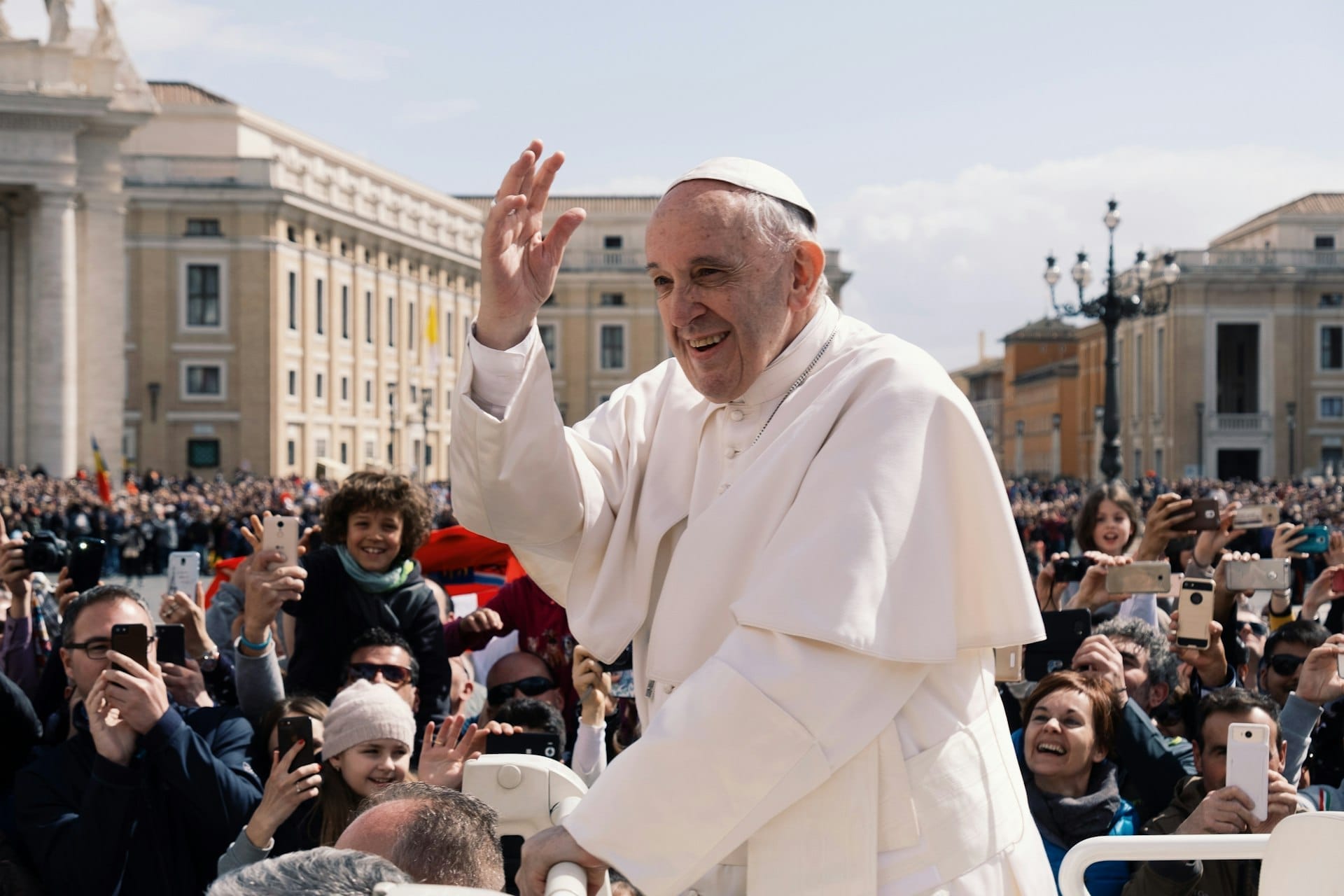
Pope Leo XIV is concluding his visit to Latin America, which has taken him since Friday, November 6, successively through Uruguay, Argentina and Peru, where he will finish tomorrow, Monday.
Leo XIV's pilgrimage acquired, in the case of Argentina, a sort of restitution for the absence of Pope Francis, who in his 12 years of pontificate could not visit the country. That circumstance gave the papal message a special character.
For example, opponents of President Javier Milei became exegetes not only of the texts but also of Leo XIV's gestures, using them to attack the economic policy and actions of his government. A similar, though less virulent, phenomenon is occurring in Peru, recalling the positions of the former Bishop Prevost against former President Alberto Fujimori, father of the current Peruvian president.
Behind all this campaign, one can see the ears of a certain left sponsored by global wokism, with romantic reminiscences of the “social doctrine of the Church.” The game is simple: if the Pope says something to condemn abortion, they are even capable of desecrating images of the Virgin Mary; but if the Pope speaks that “the economy must serve man, not man serve the economy,” they celebrate it with a Pharisaic zeal.
(Some of those who promote that the economy should serve man are the ones who have used state economics to enrich themselves, either by committing lootings with the incumbent government or by benefiting themselves and their families by stealing public funds under the pretext of directing them to aid the poor, etc.)
I do not know whether the Pope’s “infallibility” remains one of the dogmas that underpins his role as Peter’s successor. While I consider that one can be infallible on matters of Catholic faith, it seems to me that when His Holiness addresses issues bordering on politics, that dogma falls into the mundane and departs from the divine.
Politics is the essence of any government and is a human undertaking. Therefore, it is the opposite of being infallible.
The Pope is — besides being the spiritual leader of 1.42 billion people worldwide (40 % of whom are Latin Americans) — the head of the Vatican State. Hence, he cannot be ignorant of the intricacies of politics. In that regard, it is very relevant that he voted in the United States legislative elections.
But in that same realm, politicians — especially those who claim to be left‑wing, agnostic or atheist — should respect their political opinions and refrain from using them — even when dissenting — against their rivals.
Because dissent is part of politics. The ability to dissent factually and categorically denies infallibility.
The imprint Leo XIV leaves with his current visit to part of Latin America is one of Christian faith, aimed at regaining the space the Church is losing in the religiosity of its population.
Politics is for politicians. Religion is another level.