Thanksgiving Origins & the Rise of ‘Block’ Black Friday Shopping
Explore the ancient harvest rituals that birthed Thanksgiving and discover how the modern ‘block’ Black Friday shopping craze emerged.
Also available in: Español
The Ancient Roots of Harvest Celebrations
Long before the Pilgrims set foot on the New World, people around the globe marked the end of the harvest season with feasts, prayers, and communal gatherings. In ancient Mesopotamia, for example, the Akitu festival celebrated the first fruits of barley and wheat. Across the Atlantic, the Celtic peoples held Lammas on August 1st to thank the earth for its bounty. Even the Chinese Mid‑Autumn Festival has its roots in giving thanks for a successful harvest.
These early celebrations shared a common thread: gratitude for the food that sustained communities through the harsh winter months ahead. They were less about a single historical event and more about a universal human need to acknowledge nature’s generosity.
Rituals and Symbolism
Typical elements included offering the first sheaf of grain to deities, sharing a communal meal, and performing dances that mimicked the sowing and reaping cycles. The symbolism of “first fruits” persists in modern Thanksgiving traditions, such as the turkey (once a wild bird that signaled the end of the hunting season) and the cornucopia, the horn of plenty.
The First Thanksgiving in America
The story most Americans learn in school centers on the 1621 Plymouth colony feast. After a brutal first winter, the Pilgrims survived thanks to the assistance of the Wampanoag people, who taught them local planting techniques and shared wild foods like squash, beans, and fish.
In the autumn of 1621, the colonists invited their Wampanoag allies to a three‑day celebration. While the exact menu is debated—some historians argue that turkey was likely absent, replaced by venison, duck, and seafood—the spirit of mutual gratitude was unmistakable.
Myth vs. Reality
Over the centuries, the narrative has been romanticized. Early 19th‑century writer Sarah Josepha Hale championed the idea of a national day of thanks, eventually persuading President Abraham Lincoln to proclaim a Thanksgiving holiday in 1863. Her version emphasized unity and a shared American identity, smoothing over the complex and often tragic relationships between European settlers and Native peoples.
“Give thanks for unknown blessings, for they are the seeds of future harvests.” – Native American proverb
How Thanksgiving Evolved Over the Centuries
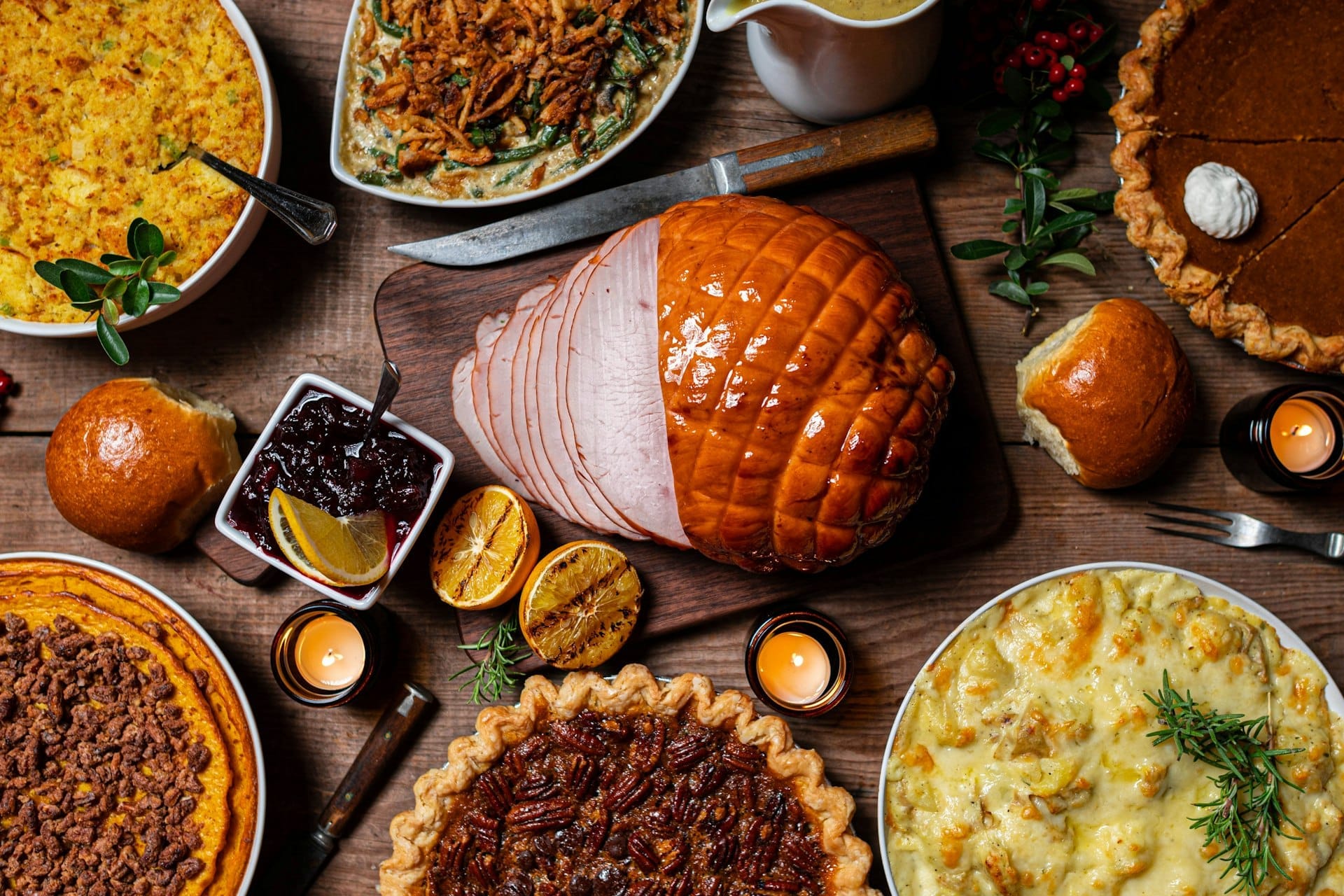
After Lincoln’s proclamation, Thanksgiving became an annual tradition, but its observance varied by region. In the 19th century, many families gathered around a roasted turkey, while others, especially in the South, favored ham or oyster stews.
Immigrant communities added their own twists: Italian-Americans introduced stuffing made with herbs and cheese, while German families served potato salads and spiced pies. By the early 20th century, the holiday had become a unifying cultural moment, complete with parades, football games, and the iconic Macy’s Thanksgiving Day Parade, which debuted in 1924.
Commercialization and Media
The rise of radio and television turned Thanksgiving into a national spectacle. Families would tune in to watch the parade or the famous “Turkey Trot” races, while advertisers began promoting holiday sales that would spill over into the day after.
The Modern Thanksgiving Holiday
Today, Thanksgiving is celebrated by over 300 million people in the United States and by many Canadians on a different date (the second Monday in October). The core elements remain: a large meal, gratitude, and time spent with loved ones. Yet the holiday also reflects modern concerns—dietary restrictions, sustainability, and the desire to acknowledge the full history of the day.
Many families now incorporate a “thank‑you circle” where each person shares something they’re grateful for, and some communities hold “Re‑conciliation Dinners” that honor both the Pilgrims’ and Native peoples’ perspectives.
The Rise of Black Friday
Only a few weeks after Thanksgiving, a very different kind of tradition emerged: Black Friday. The term originally referred to the day retailers finally moved from “in the red” (losses) to “in the black” (profits) on their ledgers. It wasn’t until the 1950s and 60s that the phrase entered popular usage, especially in Philadelphia police reports describing the chaotic traffic and crowds.
By the 1980s, retailers began to officially promote the day with door‑buster deals, and the concept of “shopping the night before” (now known as “Black Friday Eve”) took hold. The holiday quickly became a cultural phenomenon, with people lining up at stores before sunrise, sometimes camping out for days.
From Brick‑and‑Mortar to Online
The internet added a new layer. In the early 2000s, e‑commerce sites launched “Cyber Monday” to capture the post‑Thanksgiving shopping surge. Over time, the distinction blurred as brick‑and‑mortar stores extended their sales online, creating a 24‑hour shopping marathon that stretches from Thanksgiving night through the following weekend.
The “Block” Black Friday Shopping Tradition
In recent years, a newer twist has taken hold in many urban centers: the “block” Black Friday. Rather than heading to a single megastore, shoppers flock to a defined city block where dozens of independent retailers coordinate simultaneous sales, pop‑up stalls, and live entertainment.
This concept grew out of a desire to support local businesses while still enjoying the thrill of a deal‑hungry day. Cities like Portland, Austin, and Brooklyn pioneered the idea in the 2010s, turning a single block into a festive marketplace complete with food trucks, street musicians, and even charity drives.
How It Works
Organizers typically close a few streets to traffic, set up temporary signage, and create a shared marketing campaign. Shoppers receive a “block pass”—either a printed flyer or a QR‑code app—that unlocks exclusive discounts at participating stores. The atmosphere feels more like a street fair than a chaotic retail scramble, encouraging browsing rather than sprinting.
Because the block is usually anchored by a mix of boutiques, artisanal food vendors, and tech pop‑ups, the experience feels curated. It also reduces the environmental impact of massive parking lots, as many participants use public transit or bike‑share programs.
Impact on Local Economies
Studies from the American Independent Retailers Association show that “block” Black Friday events can boost local sales by up to 30% compared with traditional mall‑centric sales. Moreover, they foster community connections, as shoppers often discover new businesses they might not have visited otherwise.
Tips for Enjoying Both Holidays
Plan Your Meals Early
Start your Thanksgiving menu at least two weeks in advance. Consider incorporating dishes that honor the holiday’s diverse roots—think sweet potato casserole with a hint of maple, or a quinoa‑based stuffing for a gluten‑free twist.
Stay Informed About Block Events
Check local city websites or social media pages for block‑wide schedules. Download the event app if one is available; it often includes real‑time updates on flash sales and pop‑up performances.
Shop Smart, Not Fast
Set a budget before you head out, and prioritize items you truly need. Remember that the “block” model encourages browsing, so you’re less likely to make impulse purchases compared to a traditional mall rush.
Support Sustainable Practices
Bring reusable bags, use public transit, and consider buying second‑hand or upcycled items. Many block vendors highlight eco‑friendly products, making it easier to shop responsibly.
Reflect on Gratitude
After the shopping frenzy, take a moment to gather with family or friends and share what you’re thankful for. Whether it’s a new kitchen gadget you earned on Black Friday or the simple joy of a shared meal, gratitude ties both holidays together.
Thanksgiving and Black Friday have traveled a long way from ancient harvest rites and post‑war accounting entries to today’s bustling street festivals. By understanding their histories—and by choosing to celebrate in ways that honor community, sustainability, and genuine gratitude—you can make the season richer for yourself and for those around you.