Quito Festivities: History, Traditions, and Key Dates
Discover everything about Quito's festivals: origins, dates, customs, food, and visitor tips to fully enjoy this vibrant cultural event.
Also available in: Español
What Are the Quito Festivities?
The Quito Festivities are the major annual celebration that brings together locals and visitors to honor the city’s founding and its patron, the Virgin of El Panecillo. It is a blend of history, religion, folklore, and modernity experienced on streets, squares, and parks with music, dances, typical food, and a festive atmosphere that infects everyone.
History and Origin
Pre‑colonial Roots
Before the Spanish set foot in the Quito valley, indigenous peoples such as the Quitus and the Caras performed gratitude rituals to the earth and their deities. These ceremonies included offerings, dances, and songs that marked the agricultural cycle and seasonal changes.
Colonial Influence
With the arrival of the conquerors in 1534, the city received the name “San Francisco de Quito.” The Catholic Church introduced the veneration of the Virgin of El Panecillo, an image that became the protective symbol of the city. From the 17th century onward, the community began organizing special processions and masses in her honor, laying the groundwork for what we now call the Quito Festivities.
Modern Evolution
In the 20th century the celebration expanded beyond the religious sphere. In 1941 the Quito Municipality officially set November 24 as the foundation day, and gradually cultural activities were added: dance contests, art exhibitions, food fairs, and, since the 1980s, fireworks shows that light up the night sky.
Key Dates and Calendar
The main celebration revolves around November 24, the founding day of Quito (1534). However, the festivities stretch over a full week known as the “City Week.” Here are the most anticipated events:
November 24: Solemn mass at the Basilica of the National Vow and the traditional Virgin of El Panecillo parade.
November 25‑27: Artisan fairs in Plaza Grande and concerts of traditional music.
November 28: Folkloric dance competition at Teatro Sucre.
November 29: Fireworks display over Parque El Ejido.
November 30: Quito gastronomy day with free tastings.
To stay updated, visit the official Quito Municipality website, where the complete program and current schedules are posted.
Main Traditions and Activities
Virgin of El Panecillo Parade
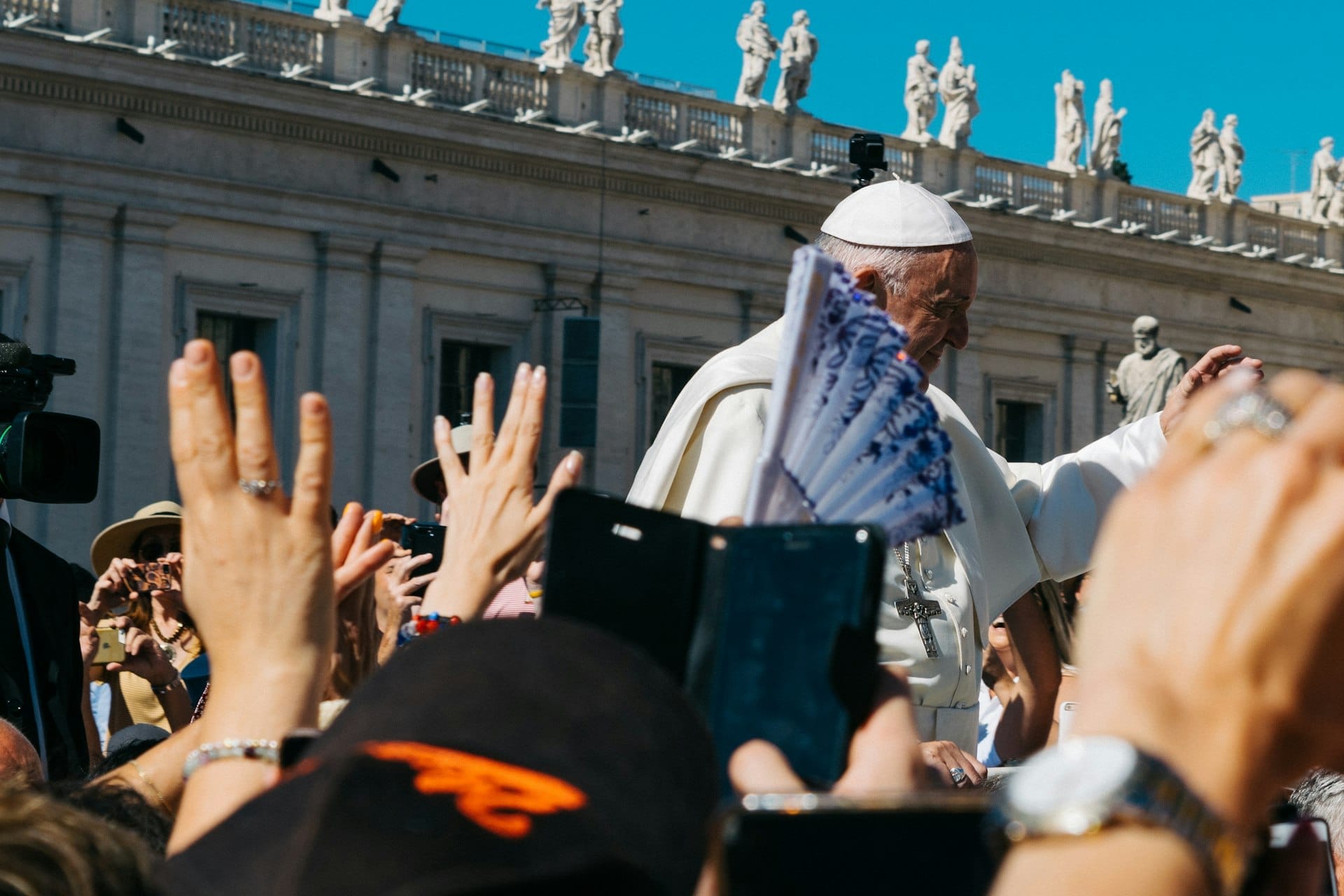
The parade is the heart of the celebration. The image of the Virgin, dressed in hand‑embroidered garments, travels the city’s main avenues accompanied by floats, marching bands, and thousands of devotees who toss rose petals. It’s a perfect opportunity for photos and to feel the collective energy.
The “Minga” and the “Cantos”
The minga is a community tradition where neighbors join forces to clean squares, paint murals, and set up stages. While working, they sing “cantos a la ciudad,” a series of popular songs that narrate Quito’s history and its heroes. This practice reinforces belonging and makes the festival truly popular.
Fireworks and Concerts
Fireworks are the crowning touch of each night. The most famous show is launched from the Panecillo viewpoint, offering a panoramic scene that blends lights, electronic music, and traditional rhythms. In addition, several parks host free concerts by local groups, ranging from Andean rock to salsa.
“Participating in the Quito Festivities is feeling the city’s heartbeat; every corner has a story to tell.” – Nicole C
Typical Gastronomy
Food is an essential part of the celebration. Street stalls offer dishes that showcase the Andean culinary richness. Among the most popular are:
Hornado: oven‑roasted pork served with hominy, potatoes, and ají.
Fritada: fried pork meat accompanied by toasted corn and plantain.
Locro de papa: creamy potato soup with fresh cheese and avocado.
Roasted cuy: a traditional dish you can’t miss if you’re feeling adventurous.
Chicha de jora: fermented corn drink, perfect for toasting at night.
If you prefer something sweet, look for buñuelos de viento and rosquillón, two delights sold on every corner during the festive week.
Music and Dances
Music is the engine that keeps the party alive. The most heard rhythms include Quito’s pasillo, Ecuadorian marimba, and Andean cumbia. Folkloric dance groups wear colorful costumes and perform the “Danza de los Cholos,” a choreography that represents indigenous resistance.
In the historic centre’s bars, young people gather to dance salsa, reggaetón, and, of course, the famous “cumbión” that invites everyone to move their feet regardless of age.
How to Participate and Visitor Tips
Transport and Accommodation
During City Week traffic can be heavy. The best option is to use public transport: the Quito Metro and the “Trolebús” lines have special routes for the festivities. If you prefer more comfort, book your hotel in advance; the neighborhoods of La Floresta and the Historic Centre offer boutique lodging at reasonable prices.
What to Bring
Dress comfortably and wear closed shoes, as you’ll be walking a lot. Don’t forget sunscreen, a reusable water bottle, and if you plan to watch the fireworks, a light jacket for the night, which is usually cool in November. It’s also handy to carry cash, since many food stalls don’t accept cards.
Respect for the Culture
Remember that part of the celebration has a religious component. If you attend a mass or procession, show respect: remain silent, avoid taking photos during sacred moments, and follow the organizers’ instructions.
Cultural and Economic Impact
The Quito Festivities are not only a visual spectacle; they generate a significant economic impact. According to data from the Quito Tourism Chamber, the festive week attracts more than 200 000 national and foreign visitors, translating into a 15 % increase in hotel occupancy and a notable boost for local businesses.
Moreover, the festival serves as a platform to preserve and spread Andean traditions. Craft workshops, dance classes, and gastronomy contests foster intergenerational transmission of knowledge, ensuring Quito’s identity remains alive for decades to come.
Conclusion
In short, the Quito Festivities are a unique experience that blends history, faith, flavor, and fun. Whether you fall in love with traditional music, delight in a hearty hornado, or simply want to admire the fireworks over Panecillo, you’ll find something that makes you feel part of this great Quito family. Mark your calendar, pack your bags, and join the celebration: Quito awaits you with open arms!