Pope Leo XIV’s Visit to Lima, Nov 12 2026: Highlights & Impact
On November 12 2026, Pope Leo XIV arrived in Lima for a historic pilgrimage, meeting Peru’s faithful, addressing social challenges, and strengthening Vatican‑Latin America ties.
Also available in: Español
Introduction
On November 12, 2026, Pope Leo XIV arrived in Lima, marking the first papal visit to Peru’s capital in over three decades. The pilgrimage was billed as a “journey of hope and solidarity,” and it quickly became a focal point for religious, cultural, and political discourse across Latin America. From the moment the pontiff’s aircraft touched down at the Jorge Chávez International Airport, crowds of faithful, government officials, and international media gathered to witness a moment that historians are already calling a watershed in Vatican‑Latin America relations.
Historical Context
Understanding the significance of Pope XIV’s visit requires a brief survey of the historical ties between the Holy See and Peru. Since the Spanish conquest, the Catholic Church has played a central role in shaping Peru’s social fabric, education system, and political institutions. The 20th‑century saw periods of both collaboration and tension, especially during the rise of liberation theology in the 1960s and 1970s, when many Peruvian clergy advocated for social justice and land reform.
In recent years, the Vatican has sought to recalibrate its approach to Latin America, emphasizing a “new evangelization” that balances doctrinal fidelity with a renewed commitment to the poor. Pope Francis, the first Latin American pontiff, laid much of this groundwork, but his successor, Pope Leo XIV, has signaled an intention to deepen diplomatic engagement while addressing contemporary challenges such as migration, environmental degradation, and indigenous rights.
Preparations and Logistics
The logistical undertaking behind the Lima visit was massive. The Apostolic Nunciature in Peru coordinated with the Ministry of Foreign Affairs, the Peruvian Episcopal Conference, and local civil authorities to ensure security, transportation, and accommodation for the papal entourage, which included more than 150 clergy, diplomatic staff, and lay volunteers.
Security protocols were modeled on those used for previous papal trips to volatile regions, involving a combination of Peruvian police, the National Guard, and a contingent of Swiss Guard officers stationed at the Vatican. The route from the airport to the historic Plaza Mayor was carefully mapped to allow for both motorcade movement and pedestrian access, enabling thousands of onlookers to gather safely.
The Arrival and Public Reception
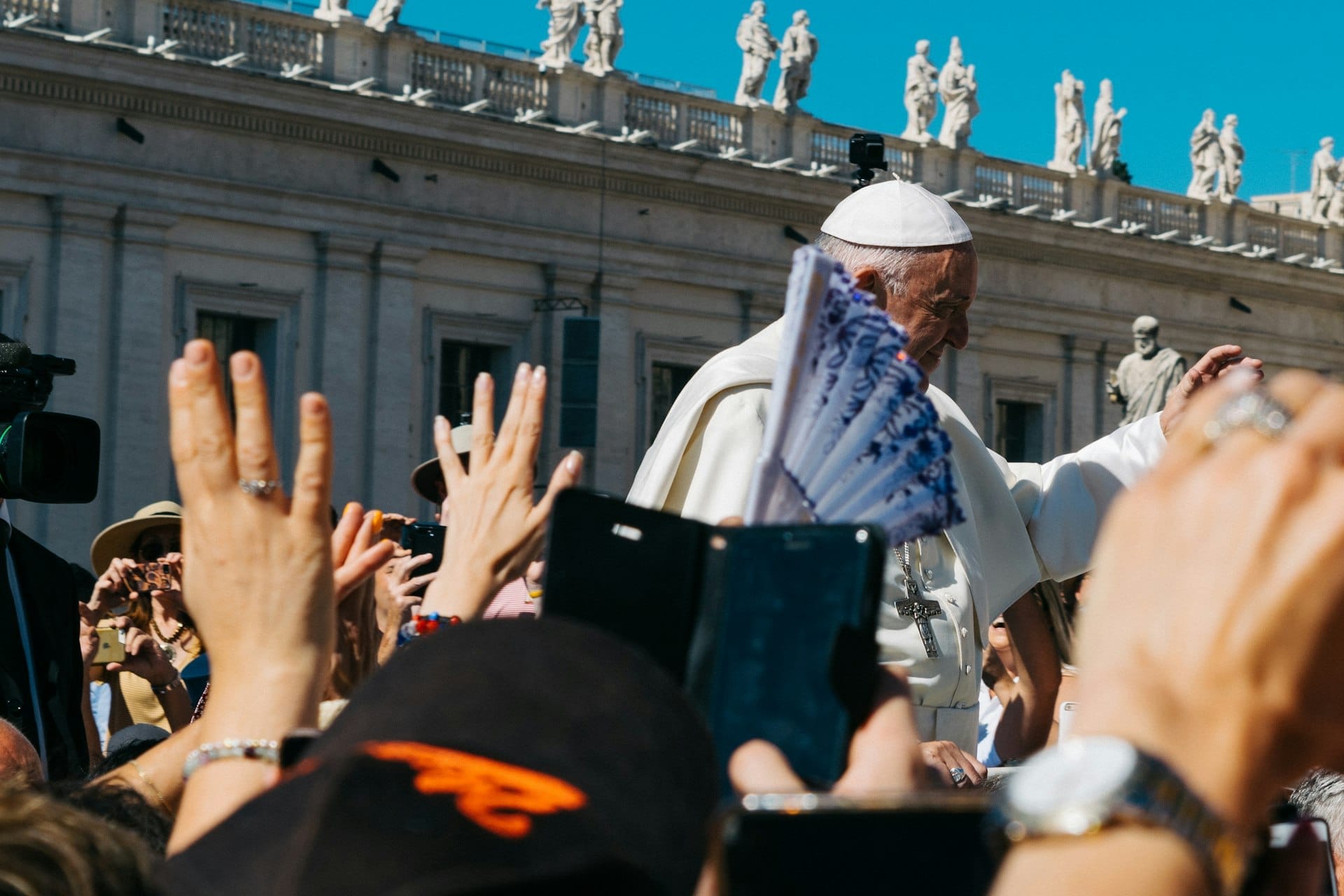
At 10:15 a.m. local time, the papal plane descended onto the runway, and Pope Leo XIV emerged to a thunderous applause that echoed through the terminal. Dressed in his traditional white cassock and zucchetto, the pontiff was greeted by President María Fernanda Gómez, Archbishop Juan Carlos Mendoza, and a delegation of indigenous leaders representing the Quechua and Aymara peoples.
In a brief address to the crowd, the pope emphasized “the unity of faith and culture,” acknowledging Peru’s rich tapestry of pre‑colonial traditions and contemporary Catholic practice. The moment was captured by global news outlets, and the image of the pope shaking hands with a young Andean shepherd quickly trended on social media platforms.
Key Events
Celebration of the Holy Mass at the Cathedral of Lima
The centerpiece of the visit was a solemn Mass celebrated at the Cathedral of Lima, a baroque masterpiece that has stood since the 16th century. The liturgy incorporated elements of local music, including a choir of Quechua singers performing a traditional hymn adapted to the Latin rite. Pope Leo XIV delivered a homily that underscored the Church’s mission to “stand with the marginalized, especially the indigenous peoples whose voices have too often been silenced.”
“We come to Peru not only as spiritual leaders but as witnesses to justice and solidarity,” Pope Leo XIV declared.
Following the Mass, the pope blessed a set of crucifixes that were later distributed to remote parishes in the Andes and the Amazon basin, symbolizing a tangible link between the Vatican and Peru’s most isolated communities.
Meeting with President Gómez and Government Officials
In the afternoon, the pontiff held a private audience with President Gómez at the Government Palace. The discussion centered on three priority areas: combating child labor, protecting the Amazon rainforest, and fostering economic opportunities for rural families. Both leaders signed a joint declaration committing to a “faith‑driven development agenda” that would allocate resources for education, healthcare, and sustainable agriculture.
The declaration also pledged to strengthen the legal framework protecting indigenous territories, a move welcomed by environmental NGOs and indigenous advocacy groups.
Interfaith Dialogue with Indigenous Spiritual Leaders
Recognizing the importance of interreligious harmony, Pope Leo XIV convened a round‑table with leaders from the Andean spiritual tradition, as well as representatives of Afro‑Peruvian religious practices. The dialogue emphasized shared values such as reverence for the earth, communal solidarity, and the sanctity of human life.
During the session, the pope quoted the biblical proverb “the earth is the Lord’s, and everything in it,” aligning Catholic teaching with indigenous cosmology. The exchange concluded with a joint prayer for peace and ecological stewardship.
Social Outreach: The “Hope for the Andes” Initiative
One of the most enduring legacies of the visit is the launch of the “Hope for the Andes” initiative, a collaborative program between the Vatican, the Peruvian Ministry of Education, and several charitable foundations. The initiative aims to establish 25 new community centers that will provide vocational training, literacy courses, and micro‑finance services to families in the highland regions.
Each center will be staffed by local volunteers and supported by a rotating team of Jesuit educators.
Initial funding of €15 million was pledged by the Holy See, with additional contributions expected from international donors.
The program includes a focus on women’s empowerment, offering entrepreneurship workshops tailored to female artisans.
By the end of the visit, Pope Leo XIV inaugurated the first center in the town of Huancavelica, cutting the ribbon alongside the mayor and local clergy.
Theological Themes of the Visit
The theological underpinnings of Pope Leo XIV’s itinerary reflected a continuity with Pope Francis’s emphasis on a “Church for the poor.” However, Leo XIV introduced a nuanced focus on “integral ecology,” a concept he first articulated in his 2023 encyclical “Gaia and Grace.” In Lima, he linked environmental stewardship with the doctrine of the common good, urging both believers and policymakers to view ecological protection as a moral imperative.
Moreover, the pope highlighted the doctrine of “solidarity with the peripheries,” a term rooted in Catholic social teaching that calls for preferential attention to those on society’s margins. By weaving these themes into his speeches, homilies, and private meetings, Leo XIV positioned his visit as both a spiritual pilgrimage and a catalyst for concrete social transformation.
Media Coverage and Public Opinion
Domestic media outlets, ranging from the newspaper *El Comercio* to the television network *Frecuencia Latina*, devoted extensive coverage to the papal visit. Headlines emphasized the pope’s “message of hope” and “call for justice.” Internationally, major news agencies such as Reuters, the Associated Press, and the BBC highlighted the diplomatic significance of the joint declaration on Amazon protection.
Public opinion polls conducted by the Instituto Nacional de Estadística e Informática (INEI) indicated that 78 % of Peruvians viewed the visit positively, citing increased national pride and a sense of global attention on Peru’s social challenges. Critics, however, raised concerns about the cost of security and the potential for the visit to be politicized.
Impact on the Local Church
For the Peruvian Catholic Church, the papal visit served as a morale boost and a catalyst for renewed evangelization efforts. The Episcopal Conference announced plans to roll out a series of “pilgrimage weeks” in major cities, encouraging lay participation in charitable projects and spiritual formation.
Seminaries reported a surge in enrollment, with many young men citing the pope’s emphasis on “service to the marginalized” as a motivating factor. Additionally, the visit sparked a wave of liturgical inculturation, as parishes began incorporating Andean musical instruments and indigenous languages into the Mass.
Implications for Vatican Diplomacy
From a diplomatic perspective, Pope Leo XIV’s Lima trip signaled a strategic pivot toward deeper engagement with Latin America’s socio‑political realities. By aligning the Vatican’s moral authority with concrete policy commitments—particularly regarding the Amazon rainforest—the Holy See demonstrated an ability to act as a bridge between religious conviction and statecraft.
The joint declaration with President Gómez is expected to influence upcoming negotiations at the United Nations Climate Change Conference (COP 29), where Peru will advocate for stronger protections for indigenous lands. Vatican diplomats anticipate that the papal endorsement will lend additional weight to these proposals.
Legacy and Future Prospects
Looking ahead, scholars predict that the “Hope for the Andes” initiative could become a model for faith‑based development programs across the Global South. The Vatican’s willingness to fund and oversee such projects may inspire other religious institutions to adopt similar approaches.
Furthermore, the visit has set a precedent for future papal trips that blend spiritual ministry with direct policy advocacy. Observers note that Pope Leo XIV’s itinerary could serve as a blueprint for engagements in other regions facing environmental and social crises, such as the Sahel and Southeast Asia.
Conclusion
Pope Leo XIV’s historic visit to Lima on November 12, 2026, was far more than a ceremonial pilgrimage. It was a carefully orchestrated convergence of faith, diplomacy, and social action that resonated with Peru’s diverse populace and reverberated across the international stage. By addressing pressing issues—from indigenous rights to climate change—while celebrating the deep spiritual heritage of the Peruvian people, the pope forged a legacy that will likely influence both the Catholic Church and global policy for years to come.