Will Ecuador's Economy Survive El Niño and Power Outages?
El Niño's worsening impacts cause deaths and flood damage, while drought cuts hydro power, raising uncertainty for Ecuador's growth through 2027.
Also available in: Español
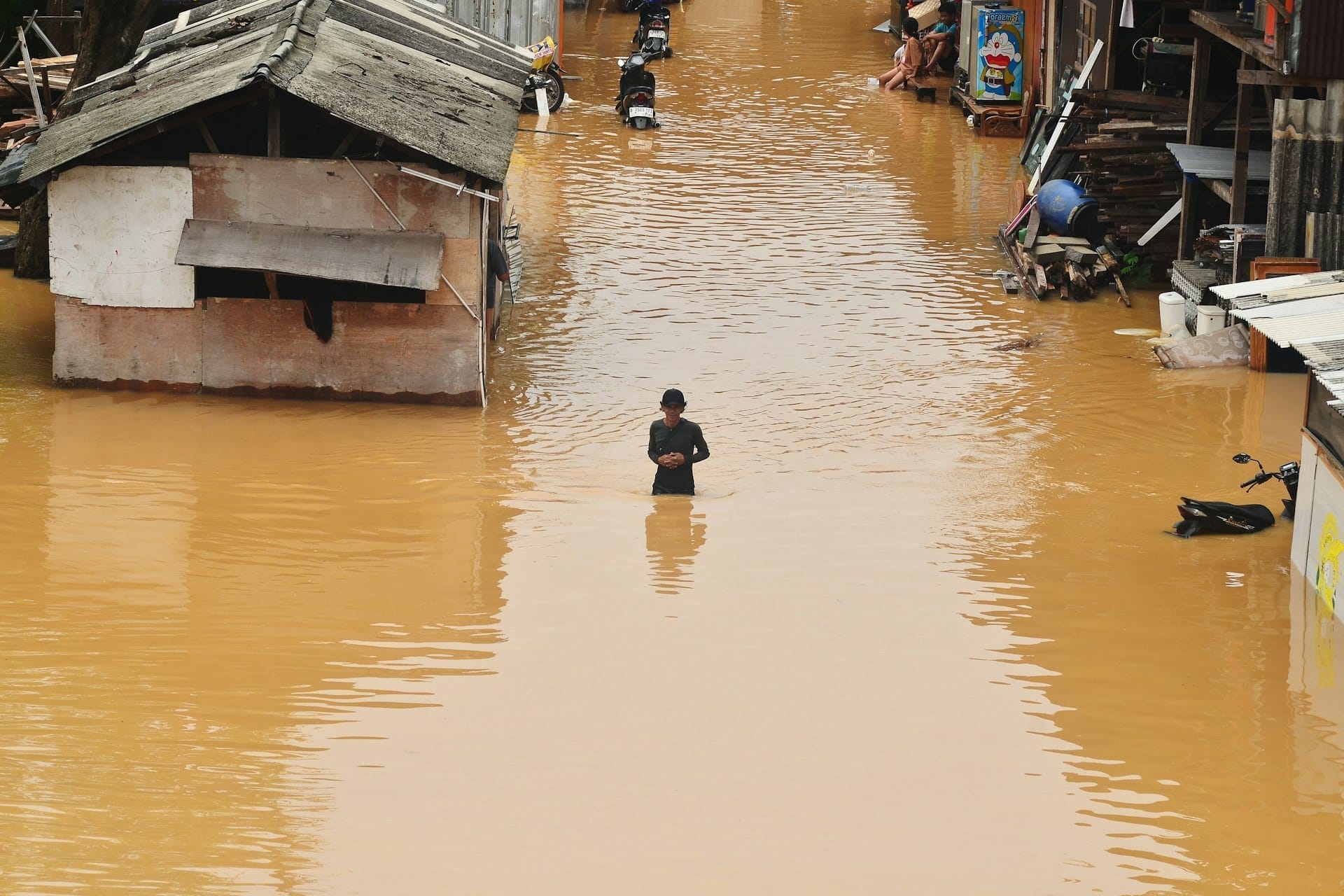
The El Niño phenomenon is leaving increasingly severe aftereffects, especially evident in fatal victims and flood damage in both urban and rural areas. Experts forecast that the toughest period will last until February/March.
At the same time, the typical low‑flow season reduces hydroelectric generation capacity, creating a picture full of uncertainties, at best extending to early 2027.
The country risk index was 535.46 points as of November 17. In July 22 it measured 404. If its upward trend continues, it could affect the availability of external financing needed to tackle post‑El Niño recovery.
However, the strength of exports, which grew by 11% up to September compared to the same period in 2025, provides some optimism about the economy’s ability to at least mitigate what would otherwise be a difficult‑to‑overcome condition.
The Central Bank maintains its GDP forecast: 2.7% growth for 2026. And although the private sector’s capacity to create jobs will likely remain minimal until conditions improve to attract capital, exportable production will continue to be the engine that keeps dollarisation as the cornerstone of the economy.
The challenge for President Noboa’s government is not easy: it must stimulate the country’s ability to turn its productive potential into strong opportunities for the global market, diversifying its export offer and attracting fresh foreign investment.
That is what will determine whether it can navigate the turbulent waters stirred by El Niño and the power outages.