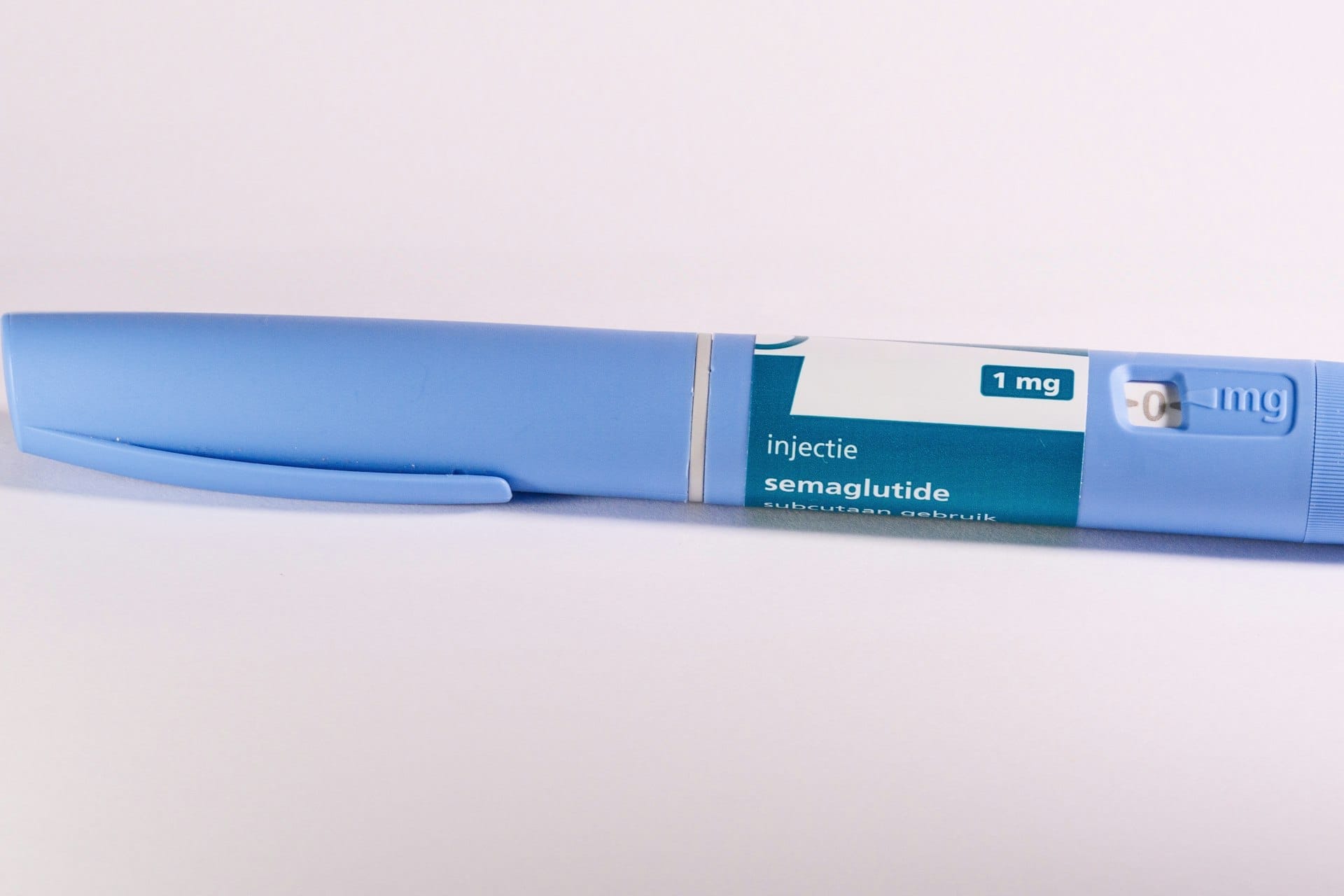
The Risks of Using Ozempic and GLP‑1 Drugs for Cosmetic Weight Loss
Ozempic and other GLP‑1 agonists are increasingly used for aesthetic weight loss. Learn the medical side effects, long‑term risks, and ethical concerns of off‑label use.

Also available in: Español
Introduction
In recent years, medications originally designed to treat type 2 diabetes and obesity have found a new, unregulated market: aesthetic weight loss. Drugs such as Ozempic (semaglutide) and other glucagon‑like peptide‑1 (GLP‑1) receptor agonists are being prescribed—or obtained without prescription—to individuals who do not meet clinical criteria but seek rapid, visible weight reduction for cosmetic reasons. While the short‑term results can be striking, the practice raises serious medical, ethical, and societal questions.
Why GLP‑1 agonists are attractive for aesthetic purposes
GLP‑1 drugs work by mimicking an intestinal hormone that regulates appetite, slows gastric emptying, and enhances insulin secretion. The resulting appetite suppression often leads to a 10‑15% reduction in body weight within months, a result that appears “miraculous” compared with lifestyle‑only approaches. Social media platforms showcase dramatic before‑and‑after photos, creating a perception that these injections are a shortcut to a slimmer physique without the need for diet or exercise.
Understanding GLP‑1 Agonists
Mechanism of action
When a GLP‑1 agonist binds to its receptor in the brain, it activates pathways that increase satiety and reduce hunger signals. Simultaneously, the drug slows gastric emptying, leading to a feeling of fullness after smaller meals. In the pancreas, GLP‑1 enhances glucose‑dependent insulin release while suppressing glucagon, thereby improving glycaemic control.
Approved medical indications
Regulatory agencies such as the FDA have approved semaglutide (Ozempic) for the treatment of type 2 diabetes and, at higher doses, for chronic weight management in individuals with a body‑mass index (BMI) ≥30 kg/m² (or ≥27 kg/m² with at least one weight‑related comorbidity). These approvals are based on extensive clinical trials that evaluated both efficacy and safety within medically defined populations.
Off‑label aesthetic use: prevalence and motivations
Although off‑label prescribing is legal, the scale of non‑therapeutic use has surged. Surveys of aesthetic clinics and online forums suggest that a significant minority of patients seek GLP‑1 agonists solely to achieve a thinner appearance. Motivations include:
Desire for rapid results without the perceived effort of diet or exercise.
Influence of celebrity endorsements and “before‑and‑after” marketing.
Perceived safety compared with surgical options such as liposuction.
Pressure to conform to cultural beauty standards.
These drivers often overlook the rigorous screening processes that accompany legitimate medical use.
Short‑term side effects
Even within the first weeks of therapy, patients may experience a range of adverse events. The most common, reported in >30% of trial participants, include:
Nausea – often mild to moderate, but can become severe enough to cause dehydration.
Vomiting – frequently accompanies nausea, especially when dosage is escalated too quickly.
Diarrhea or constipation – gastrointestinal disturbances reflect altered motility.
Abdominal pain – may be a sign of underlying gallbladder stress.
Headache – typically transient but can affect daily functioning.
While most side effects are self‑limiting, they can be amplified in individuals without the metabolic context that typically moderates these reactions, such as those with normal glucose tolerance.
Long‑term health risks
Pancreatic concerns
GLP‑1 agonists have been linked to pancreatitis and, in rare cases, pancreatic neoplasia. The exact causal relationship remains debated, but post‑marketing surveillance has identified several reports of acute pancreatitis in patients using semaglutide off‑label. Chronic exposure without medical oversight may increase the risk of subclinical inflammation, which can progress unnoticed.
Gallbladder disease
By slowing gastric emptying, GLP‑1 drugs promote bile stasis, a known precipitant of gallstone formation. Studies in diabetic cohorts have shown a modest but statistically significant rise in gallbladder-related events after one to two years of therapy. For aesthetic users—often younger and without pre‑existing gallbladder issues—this risk is less studied but cannot be dismissed.
Thyroid C‑cell tumors
Animal studies demonstrated an increased incidence of medullary thyroid carcinoma (MTC) with high‑dose GLP‑1 exposure. Human data are less conclusive, yet regulatory warnings persist, especially for individuals with a family history of MTC or multiple endocrine neoplasia type 2. Off‑label users may not undergo the recommended baseline calcitonin screening.
Cardiovascular considerations
While some GLP‑1 agonists have proven cardiovascular benefit in diabetic patients, the data are specific to populations with established cardiovascular disease. In otherwise healthy aesthetic users, the impact on heart rhythm, blood pressure, and lipid profiles remains uncertain. There are isolated case reports of tachycardia and orthostatic hypotension, likely related to dehydration from persistent nausea.
Nutritional deficiencies
Rapid weight loss can lead to deficiencies in essential micronutrients—particularly vitamin B12, iron, and fat‑soluble vitamins (A, D, E, K). GLP‑1‑induced anorexia may exacerbate these gaps, especially if patients do not receive dietary counseling. Long‑term deficiency can impair bone health, immune function, and neurological status.
Psychological and behavioral effects
Weight‑centric societies already place considerable mental strain on individuals. The use of potent appetite suppressants without therapeutic need can foster an unhealthy relationship with food, potentially precipitating disordered eating patterns, body dysmorphia, or dependence on pharmacologic appetite control.
Potential for dependency and misuse
Unlike lifestyle interventions, GLP‑1 agonists provide a pharmacologic “crutch.” Patients who achieve weight loss may become reluctant to discontinue therapy, fearing rebound weight gain. This can lead to indefinite exposure, increasing cumulative risk. Moreover, the injectable nature of the medication may encourage a false sense of medical legitimacy, deterring users from seeking professional monitoring.
Impact on metabolic health and weight rebound
When therapy is abruptly stopped, the appetite‑suppressing effect disappears, often resulting in rapid weight regain—sometimes exceeding the original weight. This yo‑yo pattern can worsen insulin sensitivity and lipid profiles, paradoxically increasing the risk of metabolic syndrome, the very condition the drug is meant to treat.
Ethical and legal considerations
Prescribing GLP‑1 agonists for non‑medical aesthetic purposes sits in a gray area. Physicians must balance patient autonomy with the principle of non‑maleficence. In many jurisdictions, providing medication without a legitimate indication may expose clinicians to liability, especially if adverse events occur.
“Off‑label use is permissible when supported by sound scientific evidence and patient consent, but aesthetic applications of GLP‑1 agonists lack robust data, raising ethical red flags.” – Dr. Elena Martinez, Endocrinology Fellow
Insurance companies typically refuse coverage for aesthetic use, leaving patients to shoulder high out‑of‑pocket costs, which can exacerbate socioeconomic disparities in access to safe weight‑management care.
Guidance for clinicians and patients
For healthcare providers encountering patients interested in GLP‑1 drugs for cosmetic reasons, the following approach is recommended:
Comprehensive assessment: Document BMI, comorbidities, medication history, and mental health status.
Education: Discuss the approved indications, known side effects, and the lack of long‑term safety data for aesthetic use.
Alternative strategies: Offer evidence‑based lifestyle programs, behavioral counseling, or, when appropriate, referral to a bariatric specialist.
Informed consent: If off‑label prescribing is considered, obtain written consent that outlines potential risks and the plan for monitoring.
Monitoring protocol: Schedule regular labs (liver enzymes, pancreatic enzymes, thyroid function, vitamin levels) and assess gastrointestinal tolerance.
Discontinuation plan: Establish a tapering schedule to mitigate rebound weight gain and monitor for withdrawal‑like symptoms.
Patients should be encouraged to view GLP‑1 therapy as a tool—not a miracle—within a broader, sustainable health plan.
Conclusion
While Ozempic and other GLP‑1 agonists have revolutionized the treatment of diabetes and obesity, their off‑label use for purely aesthetic weight loss carries a spectrum of short‑ and long‑term risks. Nausea, gastrointestinal distress, potential pancreatic and gallbladder complications, and uncertain cardiovascular effects are just the tip of the iceberg. Moreover, psychological dependence, nutritional deficiencies, and the possibility of severe weight rebound underscore the need for cautious, evidence‑based prescribing.
Healthcare professionals must weigh the allure of rapid cosmetic results against the duty to protect patients from avoidable harm. By fostering transparent dialogue, emphasizing lifestyle fundamentals, and reserving GLP‑1 drugs for medically justified situations, the medical community can safeguard both individual health and public trust.