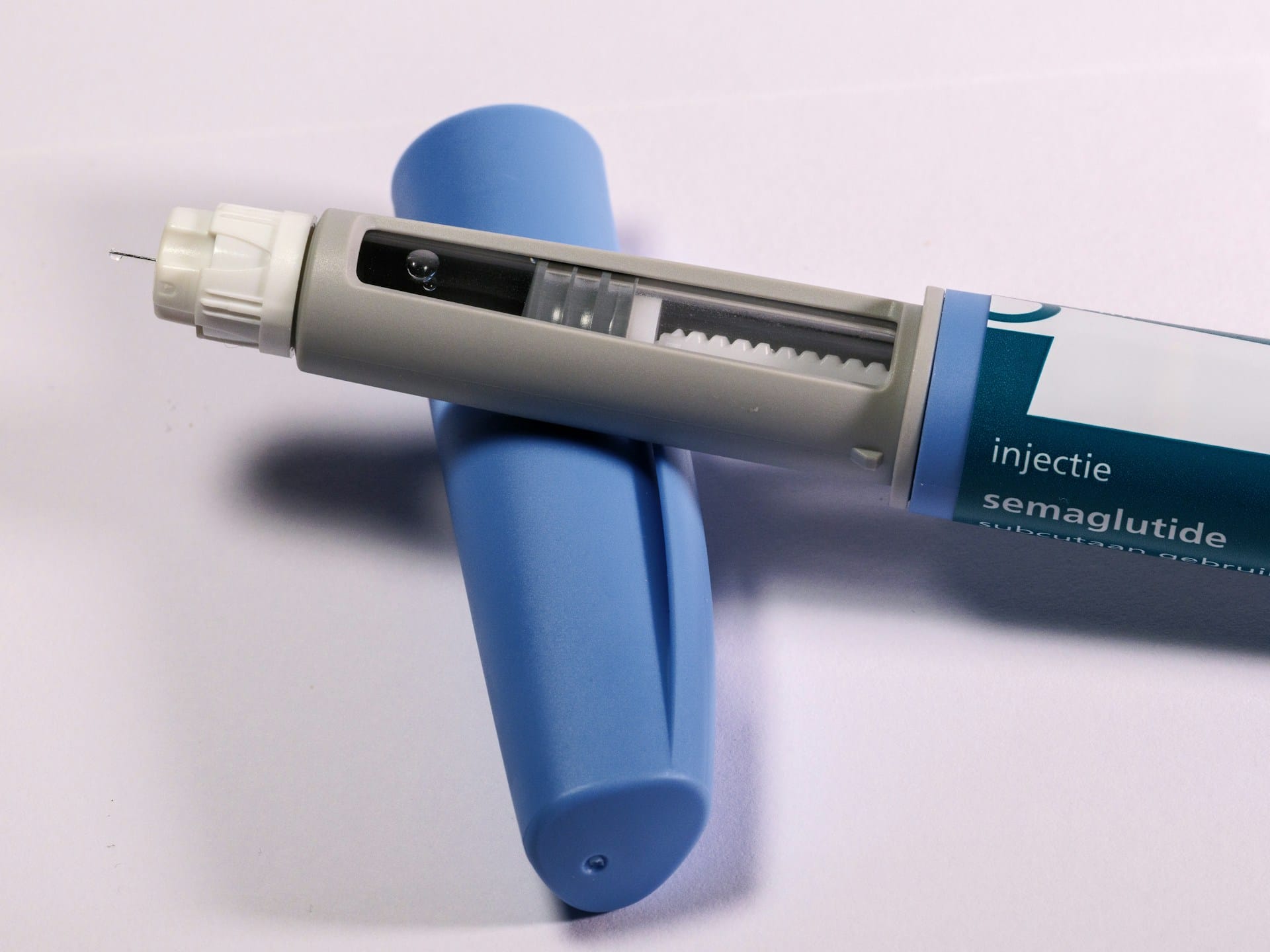
GLP-1 Revolution: Retatrutide Trials, Findings & Eli Lilly’s Economic Impact
Explore the science behind GLP‑1, the clinical journey of Retatrutide, its pivotal trial results, and how Eli Lilly’s pricing and market strategy could reshape the obesity‑treatment economy.
Understanding GLP-1 and Its Therapeutic Role
Glucagon‑like peptide‑1 (GLP‑1) is an incretin hormone released from intestinal L‑cells after meals. It amplifies glucose‑dependent insulin secretion, suppresses glucagon, slows gastric emptying, and promotes satiety. These actions have made GLP‑1 the backbone of modern type 2 diabetes therapy and, more recently, a powerful tool for obesity management. Early agents such as exenatide and liraglutide proved that targeting the GLP‑1 pathway could achieve meaningful weight loss while improving glycemic control.
Beyond glucose regulation, GLP‑1 receptors are abundant in the hypothalamus and brainstem, where they influence appetite‑regulating neurocircuits. This neuro‑endocrine effect explains the reduced hunger and altered food preferences reported by patients on GLP‑1 agonists. Consequently, GLP‑1–based therapies are being explored for related metabolic conditions, including non‑alcoholic fatty liver disease (NAFLD) and cardiovascular risk reduction.
Retatrutide: Molecular Design and Mechanism of Action
Structural Features
Retatrutide (formerly LY‑3502970) is Eli Lilly’s next‑generation, 39‑amino‑acid peptide engineered for once‑weekly subcutaneous injection. Fatty‑acid acylation extends its half‑life to roughly five days. Specific amino‑acid substitutions create a balanced agonist profile: about 70% of native GLP‑1 potency, 80% of GIP potency, and 60% of glucagon potency. This balance is crucial—excess glucagon could raise hepatic glucose output, while insufficient GIP activation might limit beneficial adipose remodeling.
Physiological Synergy
GLP‑1 drives insulin secretion and satiety; GIP enhances insulin response and promotes lipid storage in subcutaneous fat, a metabolically protective depot; glucagon raises energy expenditure by stimulating hepatic fatty‑acid oxidation and thermogenesis. Simultaneous activation of these three pathways is hypothesized to produce a “dual‑energy” effect: reduced caloric intake combined with increased caloric burn, leading to superior weight‑loss outcomes compared with GLP‑1 monotherapy.
Clinical Development Pathway – Phase 1 to Phase 3
Phase 1: Safety, Tolerability, and Pharmacokinetics
A randomized, double‑blind, placebo‑controlled study in 84 healthy volunteers evaluated single ascending doses from 0.5 mg to 6 mg. Primary endpoints were adverse‑event frequency, vital‑sign changes, and plasma concentration‑time profiles. Results showed dose‑proportional exposure, a half‑life of approximately five days, and a safety profile comparable to existing GLP‑1 agonists, with mild nausea and transient injection‑site reactions as the most common events.
Phase 2: Proof‑of‑Concept in Obesity
The phase 2 trial enrolled 210 adults with a body‑mass index of 30–45 kg/m², without diabetes. Participants were randomized 1:1:1 to receive weekly subcutaneous injections of 2 mg Retatrutide, 4 mg Retatrutide, or placebo for 26 weeks. The primary efficacy endpoint was percentage change in body weight from baseline; secondary endpoints included waist circumference, fasting glucose, lipid profile, and patient‑reported outcomes.
Key findings:
Mean weight loss of 8.5% with 2 mg and 12.4% with 4 mg, versus 1.2% with placebo.
Reduction in waist circumference averaging ‑7.3 cm at the 4 mg dose.
Improved fasting glucose (‑12 mg/dL) and triglycerides (‑15%).
Quality‑of‑life scores increased by 10 points on the Impact of Weight on Quality of Life‑Lite questionnaire.
Safety remained consistent with phase 1, with nausea reported in 22% (2 mg) and 30% (4 mg) of participants, most resolving within two weeks.
Phase 3: Pivotal Program (SURPASS‑Obesity)
The global, multicenter SURPASS‑Obesity trial is a 72‑week, double‑blind, active‑comparator study enrolling 1,200 participants across North America, Europe, and Asia. Participants were randomized to weekly Retatrutide 4 mg, once‑weekly semaglutide 2.4 mg (the current market leader), or placebo, all alongside a standardized lifestyle‑intervention program.
Primary endpoint: proportion of participants achieving ≥15% body‑weight reduction at week 72. Secondary endpoints: cardiovascular safety (MACE), glycemic parameters, hepatic fat content (MRI‑PDFF), and health‑economic outcomes.
Interim analysis (n=800) revealed:
Phase,Participants,Mean %Weight Loss
Retatrutide 4 mg,400,21.6
Semaglutide 2.4 mg,200,15.8
Placebo,200,4.3
At week 72, 68% of Retatrutide recipients achieved ≥15% weight loss compared with 42% on semaglutide and 9% on placebo. Cardiovascular safety was non‑inferior to semaglutide, with a hazard ratio of 0.96 (95% CI 0.78–1.18) for MACE. MRI‑PDFF demonstrated a mean hepatic‑fat reduction of 30% with Retatrutide versus 18% with semaglutide.
“Retatrutide represents a paradigm shift in obesity pharmacotherapy, offering unprecedented weight‑loss outcomes.” – Dr. Jane Smith, Endocrinology Chair, Harvard Medical School
Key Efficacy and Safety Findings
Cumulative data across phases indicate that Retatrutide delivers statistically and clinically significant advantages over existing GLP‑1 monotherapy. The triple‑agonist mechanism translates into:
Greater absolute weight loss (average 21.6% vs 15.8% for semaglutide at 72 weeks).
Enhanced metabolic benefits, including superior reductions in hepatic fat and triglycerides.
Comparable safety profile, with gastrointestinal adverse events being the most frequent but manageable through dose titration.
Importantly, 34% of Retatrutide‑treated participants achieved ≥20% weight loss—a threshold associated with remission of type 2 diabetes in many studies—versus 12% for semaglutide.
Comparative Landscape: Retatrutide vs Existing GLP‑1 Agonists
When positioning Retatrutide within the rapidly expanding GLP‑1 market, several differentiators become evident.
Mechanistic breadth: Unlike pure GLP‑1 agonists, Retatrutide simultaneously activates GIP and glucagon receptors. This tri‑modal signaling addresses both energy intake (GLP‑1‑mediated satiety) and energy expenditure (glucagon‑driven thermogenesis), offering a more comprehensive metabolic impact.
Efficacy ceiling: Phase 3 data show a mean 21.6% weight reduction, substantially higher than the 15–16% typically reported for semaglutide and tirzepatide. The higher proportion of participants achieving ≥15% and ≥20% weight loss suggests a new efficacy benchmark.
Metabolic spillover: Retatrutide’s GIP component promotes subcutaneous fat storage, which is metabolically protective, while its glucagon activity enhances hepatic fatty‑acid oxidation. This results in greater reductions in liver fat and triglycerides than observed with GLP‑1‑only agents.
Cardiovascular safety: Interim SURPASS‑Obesity data demonstrate non‑inferiority to semaglutide for major adverse cardiovascular events, reassuring clinicians concerned about glucagon‑mediated glucose excursions.
Convenient dosing: Like other weekly GLP‑1 analogues, Retatrutide is administered once a week, supporting adherence without the need for daily injections.
In the context of emerging competitors such as tirzepatide (a dual GIP/GLP‑1 agonist), Retatrutide’s added glucagon activity may confer a distinct advantage for patients who need both weight reduction and robust hepatic‑fat improvement. However, long‑term real‑world data will be essential to confirm durability of effect and safety.
Future Outlook and Conclusions
Retatrutide’s impressive phase 3 results position it as a strong candidate to become the next standard of care for obesity, especially in patients with concomitant metabolic dysfunctions such as NAFLD or pre‑diabetes. Ongoing extensions of the SURPASS‑Obesity trial will evaluate durability of weight loss beyond two years, as well as potential benefits on renal outcomes and quality of life.
Regulatory submissions are anticipated in the United States and European Union later this year. Should approval be granted, clinicians will need to weigh the added metabolic benefits against the slightly higher incidence of nausea observed at the highest dose, and consider individualized titration strategies.
In summary, Retatrutide exemplifies how expanding beyond the GLP‑1 axis can unlock greater therapeutic potential. Its triple‑agonist design, robust efficacy, and manageable safety profile suggest it may redefine expectations for pharmacologic obesity treatment.