El Niño Exposes GADs' Weaknesses
Ecuador faces unprecedented El Niño floods; provincial and cantonal GADs were warned but failed to maintain infrastructure, highlighting urgent need for disaster‑prevention reforms.
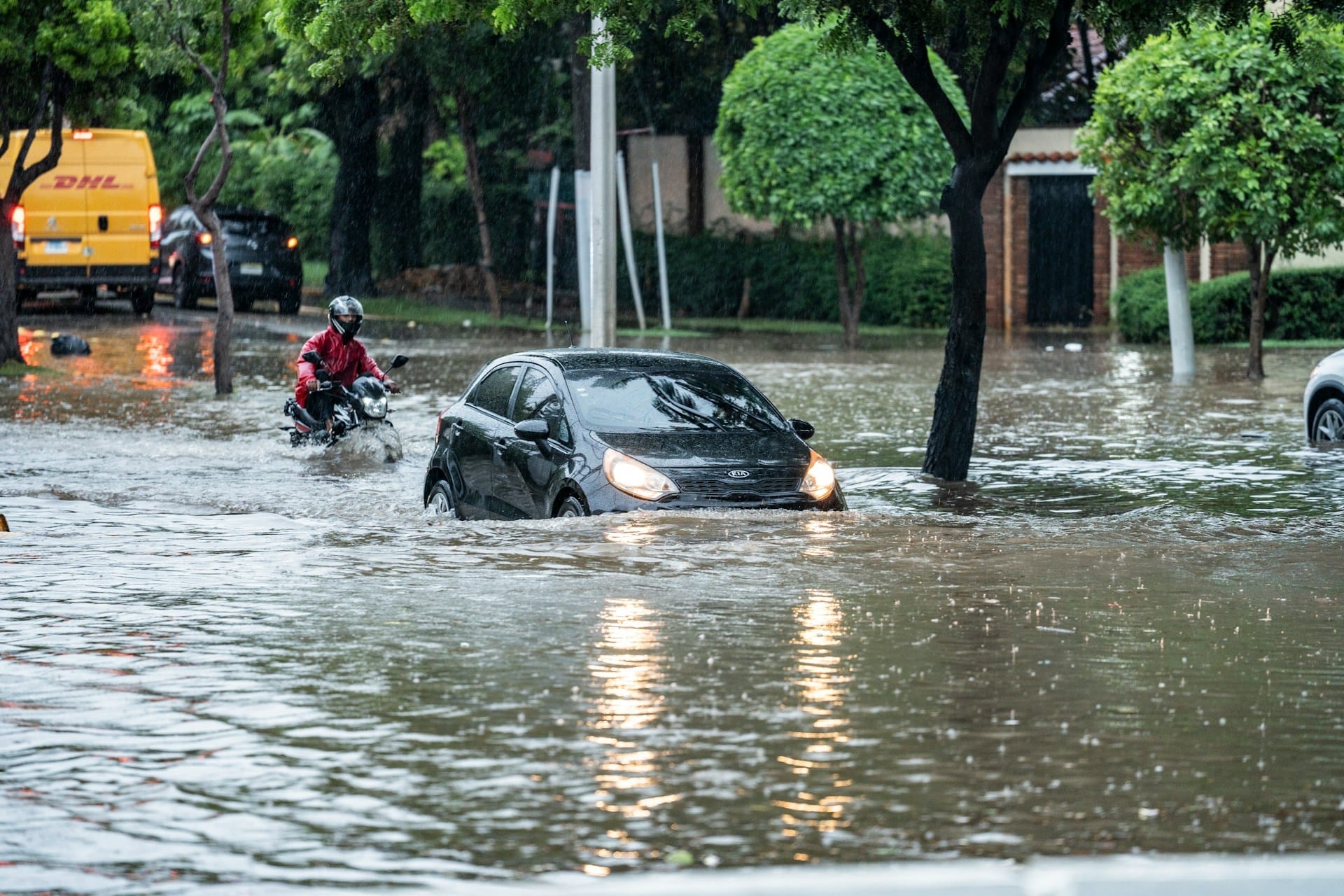
Ecuador is already experiencing the impacts of the climatic phenomenon “EL NIÑO”, with floods caused by heavy rains and overflowing rivers, affecting rural and urban areas in an unprecedented way.
Regarding the possibility of such contingencies, the provincial and cantonal GADs were timely and repeatedly warned. But with few exceptions, neither Provincial Councils nor municipalities systematically adopted maintenance and construction programs to reduce disaster risks.
Provincial GADs are responsible for desilting riverbeds, strengthening and repairing retaining walls to mitigate floods, maintaining bridges and secondary roads, among other tasks. However, prefects only reach the flooded areas when people are up to their necks in water, and they have seen belongings lost, and even the lives of loved ones, in a kind of hopeless shipwreck.
Cantonal GADs must ensure that rainwater drainage systems are free of weeds and trash to reduce the risk of streets turning into rivers that sweep away vehicles and damage homes.
The first rains have shown that the level of prevention is minimal—or nonexistent. Such omissions demonstrate that GADs lack the administrative and financial capacity to protect lives and property.
Under this premise, an urgent review of the structure and processes that are the responsibility of GADs is needed, to reshape them and fundamentally make them the primary response option to disasters such as wildfires or floods. Any public works carried out at the provincial, cantonal or parish level must have the main objective of safeguarding lives and property through immediate responses to catastrophic events.