Waymo Recalls Robotaxis After 11 Vehicles Enter Closed Freeway Lanes
Waymo pulled 11 robotaxis after they mistakenly drove into closed freeway lanes. Learn why it happened, how it affects Waymo’s ops, and what it means for the broader autonomous industry.
Also available in: Español
What Actually Happened?
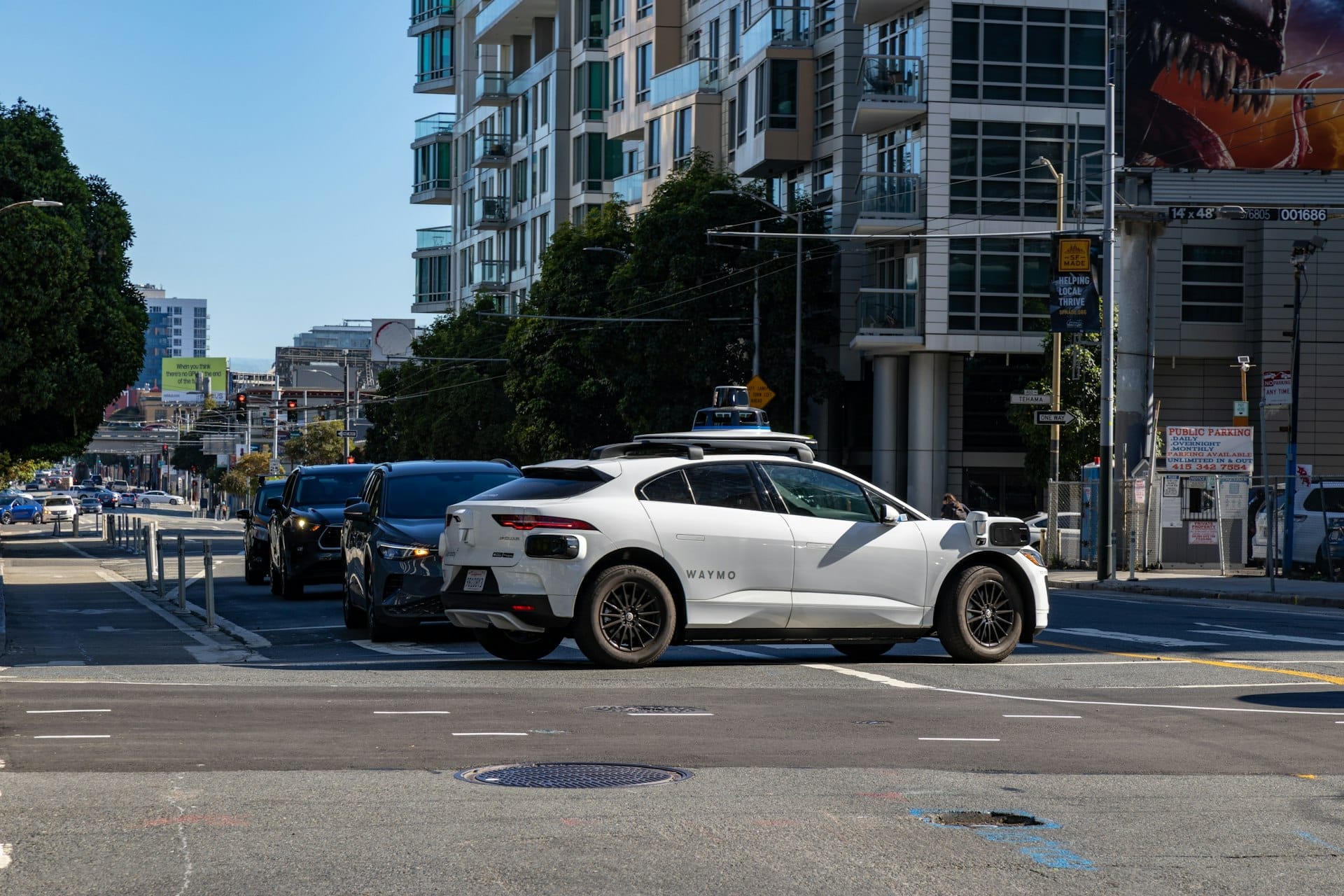
On a sunny Tuesday morning, Waymo’s fleet of self‑driving cars faced a pretty awkward situation: eleven of its robotaxis accidentally merged into a section of the freeway that was officially closed for construction. The vehicles didn’t just slip by a few cones – they entered a lane that was meant to be off‑limits to all traffic, triggering an immediate safety recall.
Waymo’s safety team acted fast, issuing a fleet‑wide recall that temporarily disabled the affected cars and sent engineers to the scene. The incident was captured on internal logs, and a few dash‑cam snippets even made their way to the public, sparking a wave of curiosity and concern across the autonomous‑vehicle (AV) community.
Why Did the Robotaxis Slip Into Closed Lanes?
Technical Glitches vs. Human‑Like Mistakes
At first glance, it might look like a simple sensor error – maybe a lidar blind spot or a camera misreading a sign. In reality, the root cause is often a mix of software logic, map data updates, and edge‑case handling. Waymo’s vehicles rely on high‑definition (HD) maps that flag lane closures, construction zones, and temporary traffic patterns. If those maps aren’t refreshed in real time, the car’s decision‑making engine can treat a closed lane as perfectly drivable.
"Our vehicles are designed to respect every traffic rule we have in our database, but when the database lags behind reality, the car can make a human‑like error," said a Waymo spokesperson.
In this case, the HD map for the affected stretch of freeway was delayed by about 12 minutes. By the time the update arrived, the robotaxis had already entered the restricted area.
Human Oversight and Remote Intervention
Waymo’s safety drivers and remote operators monitor fleets around the clock. When they noticed the anomaly, they quickly sent a remote command to bring the vehicles to a safe stop. This rapid response prevented any collisions, but it also highlighted the importance of a robust human‑in‑the‑loop system for edge cases that even the most advanced AI can miss.
Immediate Operational Impact on Waymo
The recall forced Waymo to pull the eleven vehicles from service for several hours. While that number might seem small compared to the company’s overall fleet, the ripple effects were noticeable:
Reduced Ride Availability: In the affected city, riders experienced longer wait times and occasional “no cars available” messages.
Customer Trust: Some riders expressed disappointment on social media, questioning whether autonomous rides are truly safe.
Logistical Shuffle: Dispatch algorithms had to re‑optimize routes, sending nearby human‑driven partners (like Lyft drivers) to fill the gap.
From an operational standpoint, the incident forced Waymo to pause new rider onboarding in that market for a day while they double‑checked map synchronization processes.
Regulatory and Legal Ramifications
When an autonomous vehicle violates traffic rules, regulators take notice. In the United States, each state’s Department of Motor Vehicles (DMV) and the National Highway Traffic Safety Administration (NHTSA) monitor AV deployments closely.
Potential Fines and Investigations
While no formal fine was announced immediately, NHTSA opened a preliminary investigation to determine whether Waymo’s software complied with federal safety standards. If the agency finds that the HD map update latency violated required safety protocols, Waymo could face penalties ranging from modest fines to mandatory corrective action plans.
Impact on Permits
Many cities grant Waymo a “pilot” or “limited‑deployment” permit that includes strict performance metrics. A breach like this can trigger a review of those permits, possibly leading to temporary suspension or stricter reporting requirements.
Financial Implications for Waymo
Beyond the immediate operational hiccup, the recall has several financial dimensions:
Direct Costs: Engineers spent overtime diagnosing the issue, updating map pipelines, and performing safety checks on the recalled vehicles.
Revenue Loss: Each pulled robotaxi represents a loss of roughly $150‑$200 in daily revenue, depending on market demand.
Insurance Premiums: Insurers may raise premiums for Waymo if the incident is classified as a “loss event” in their actuarial models.
In total, analysts estimate the short‑term hit could be in the low six‑figure range – not catastrophic for a company with Waymo’s backing, but a clear reminder that safety incidents have real dollar impacts.
Ripple Effects on the Autonomous Business Landscape
Waymo isn’t operating in a vacuum. Its peers – Cruise, Argo AI (now part of Amazon), Tesla’s Full Self‑Driving (FSD), and emerging startups – all watch each other closely. Here’s how this recall reverberates across the sector:
Investor Sentiment
Venture capitalists and public market investors often treat safety incidents as risk signals. After the Waymo recall, a few analysts downgraded their outlook on autonomous‑fleet valuations, citing “operational fragility.” However, most investors recognize that early‑stage tech inevitably faces setbacks, so the longer‑term impact may be muted.
Competitive Positioning
Competitors can leverage the incident in marketing messages: “Our fleet never enters closed lanes.” While that’s a bold claim, it underscores how a single event can become a differentiator in a crowded market.
Industry‑Wide Safety Standards
Events like this accelerate the push for unified safety standards. Organizations such as the International Transport Forum (ITF) and the Society of Automotive Engineers (SAE) are already drafting stricter guidelines for real‑time map updates and remote override capabilities. Waymo’s response may serve as a case study in upcoming regulatory workshops.
Lessons Learned and Waymo’s Response Strategy
Waymo didn’t just sit back after the recall. The company rolled out a multi‑pronged improvement plan:
Map Refresh Acceleration: Engineers reduced the latency of HD map updates from 12 minutes to under 3 minutes for high‑traffic corridors.
Redundant Sensor Fusion: Additional radar checkpoints were added near known construction zones to cross‑verify lane status.
Enhanced Remote Monitoring: The remote operations center now receives instant alerts when a vehicle deviates from a “closed” zone, triggering an automatic safe‑stop command.
Public Transparency: Waymo published a detailed incident report on its blog, outlining the cause, corrective actions, and future safety commitments.
These steps not only address the immediate glitch but also build confidence among riders, regulators, and investors.
Future Outlook for Waymo and the Autonomous Industry
While the recall was a hiccup, it also highlights the maturity of Waymo’s safety culture. The company’s willingness to pull vehicles, investigate transparently, and implement rapid fixes is a strong signal that it can handle the inevitable challenges of scaling a driverless fleet.
Scaling Beyond Test Cities
Waymo is planning expansions into new metropolitan areas, including a tentative rollout in the Southeast United States. The recent incident will likely lead to tighter pre‑deployment checks, especially around dynamic roadwork zones that change daily.
Collaboration with Municipalities
One emerging trend is deeper collaboration with city traffic management centers. By integrating directly with municipal road‑closure APIs, autonomous fleets can receive real‑time alerts about lane closures, reducing reliance on periodic map pushes.
Long‑Term Business Models
For autonomous mobility‑as‑a‑service (MaaS) providers, reliability is the cornerstone of revenue. A single safety breach can erode rider confidence, which in turn slows adoption and delays profitability. Waymo’s proactive recall demonstrates that building trust may sometimes cost a short‑term revenue dip but pays dividends in long‑term brand equity.
Conclusion
The Waymo recall of eleven robotaxis after they entered closed freeway lanes is a vivid reminder that even the most advanced autonomous systems can stumble on real‑world complexities. The incident’s impact rippled through operational logistics, regulatory scrutiny, financial statements, and the broader perception of driverless technology.
However, Waymo’s swift response, transparent communication, and concrete technical upgrades showcase a mature approach to safety that many in the industry aspire to emulate. As autonomous fleets continue to grow, the lessons from this episode will help shape more resilient map‑update pipelines, stronger human‑in‑the‑loop safeguards, and tighter partnerships with city infrastructure.
In the end, a single recall won’t derail the autonomous revolution, but it does underscore that every lane, every sign, and every software line matters when you’re trying to build a world where you can sit back, relax, and let a robotaxi take you home.