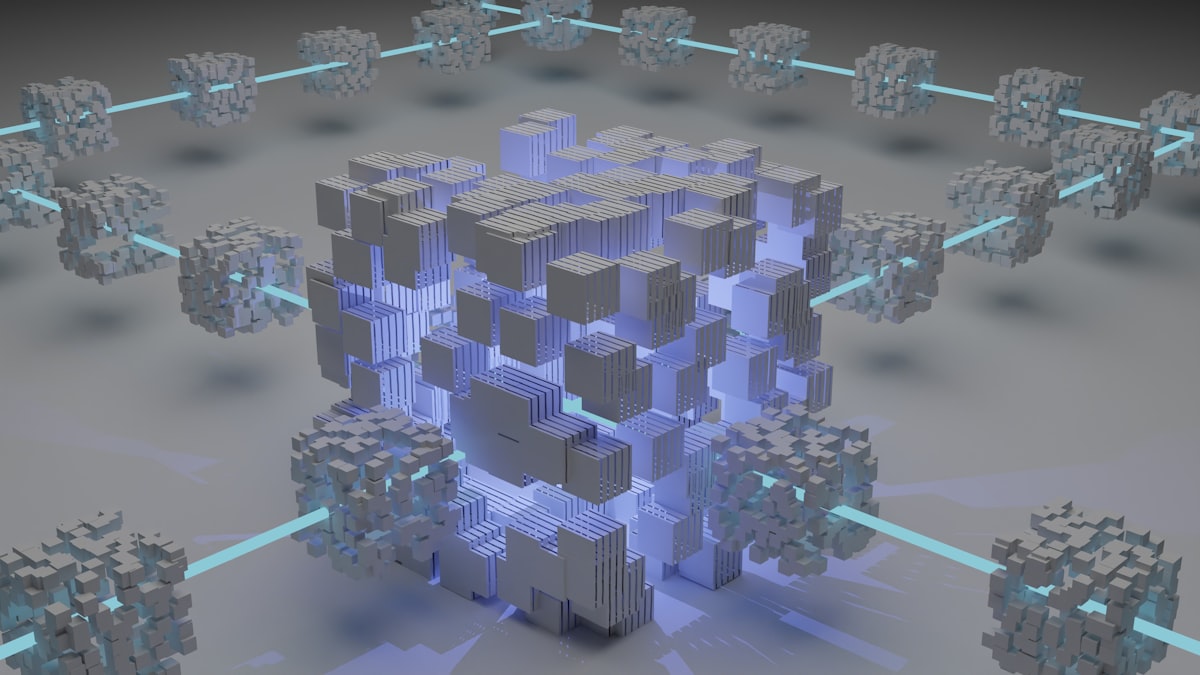
DeFi Deep Dive: Architecture, Security, and Future Trends
Explore how DeFi protocols are built, the security challenges they face, and the emerging trends shaping the next generation of decentralized finance.
Introduction
Decentralized Finance, commonly known as DeFi, has reshaped the financial landscape by removing traditional intermediaries and offering open, programmable access to financial services. Built on public blockchains, DeFi platforms deliver everything from simple token swaps to complex lending markets, all governed by immutable smart contracts.
Core Architecture of DeFi Protocols
Smart contracts as the engine
At the heart of every DeFi application lies a suite of smart contracts. These self‑executing code blocks encode the rules for token transfers, liquidity provision, collateral management, and reward distribution. Because they run on a blockchain, the contracts are transparent, permissionless, and tamper‑resistant.
Key building blocks
Token standards – ERC‑20, ERC‑721, and newer ERC‑1155 define how assets are represented and transferred.
Automated market makers (AMMs) – Algorithms such as the constant‑product formula (x·y=k) enable decentralized token swaps without order books.
Lending & borrowing pools – Over‑collateralized vaults allow users to earn interest or obtain loans in a trust‑less manner.
Governance modules – On‑chain voting mechanisms let token holders propose and enact protocol upgrades.
Security Challenges in DeFi Development
Security is the single most critical factor for user trust and protocol longevity. A single exploit can drain millions of dollars, erode confidence, and trigger regulatory scrutiny.
Common vulnerability categories
Reentrancy attacks – Malicious contracts repeatedly call a vulnerable function before state changes are finalized.
Flash loan exploits – Attackers borrow large sums without collateral, manipulate market conditions, and repay within a single transaction.
Oracle manipulation – Feeding false price data to smart contracts can trigger unintended liquidations or token swaps.
Governance attacks – Acquiring a majority of voting power allows an adversary to pass malicious upgrades.
“In DeFi, code is law, but code can be flawed. Audits are essential, but continuous monitoring is the true safeguard.” – Leading blockchain security analyst
Best Practices for Secure Smart‑Contract Development
Adopt a formal development lifecycle: design → peer review → static analysis → comprehensive testing.
Utilize battle‑tested libraries such as OpenZeppelin for token standards and access control.
Implement reentrancy guards, checks‑effects‑interactions pattern, and proper input validation.
Deploy contracts behind a timelock and multi‑sig governance to reduce single‑point failures.
Engage reputable third‑party auditors and run bug‑bounty programs for community‑driven discovery.
// Simple Solidity reentrancy guard
pragma solidity ^0.8.0;

contract ReentrancyGuard {
    bool private locked;
    modifier nonReentrant() {
        require(!locked, "Reentrant call");
        locked = true;
        _;
        locked = false;
    }
}
Yield Optimization Strategies
Yield farming has evolved from simple liquidity mining to sophisticated, algorithm‑driven portfolio management. Successful strategies balance three primary factors:
Impermanent loss mitigation – Selecting stable‑coin pairs or low‑volatility assets reduces exposure.
APY vs. APR considerations – Compounded returns (APY) can dramatically outperform simple interest (APR) when reward distribution is frequent.
Gas cost efficiency – Layer‑2 solutions and batch transactions lower execution fees, preserving net yields.
Institutional traders often employ automated bots that monitor real‑time rates across multiple protocols, rebalancing assets to capture the highest risk‑adjusted returns.
Emerging Trends Shaping the Future of DeFi
Cross‑chain interoperability
Bridges and multi‑chain frameworks such as Cosmos IBC, Polkadot, and LayerZero enable assets and data to flow seamlessly between disparate blockchains, expanding liquidity pools and user reach.
Layer‑2 scaling solutions
Rollups (Optimistic and ZK), sidechains, and state channels reduce transaction latency and cost, making DeFi applications viable for mainstream users.
Regulatory compliance without centralization
Emerging standards like on‑chain identity verification (e.g., World ID) and decentralized KYC/AML protocols aim to satisfy regulators while preserving user sovereignty.
Conclusion
DeFi’s rapid growth is driven by innovative smart‑contract engineering, but its sustainability hinges on robust security practices and scalable infrastructure. By embracing cross‑chain connectivity, Layer‑2 performance gains, and thoughtful compliance frameworks, the next generation of decentralized finance can deliver inclusive, resilient financial services for a global audience.