Right and Far‑Right
Critical analysis of the political split between right and left and the manipulation of the far‑right concept.
Also available in: Español
I argue that this political division between right and left is an essentially simplified way of ideological placement, to which the electorate is indifferent because it exceeds their civic interests.
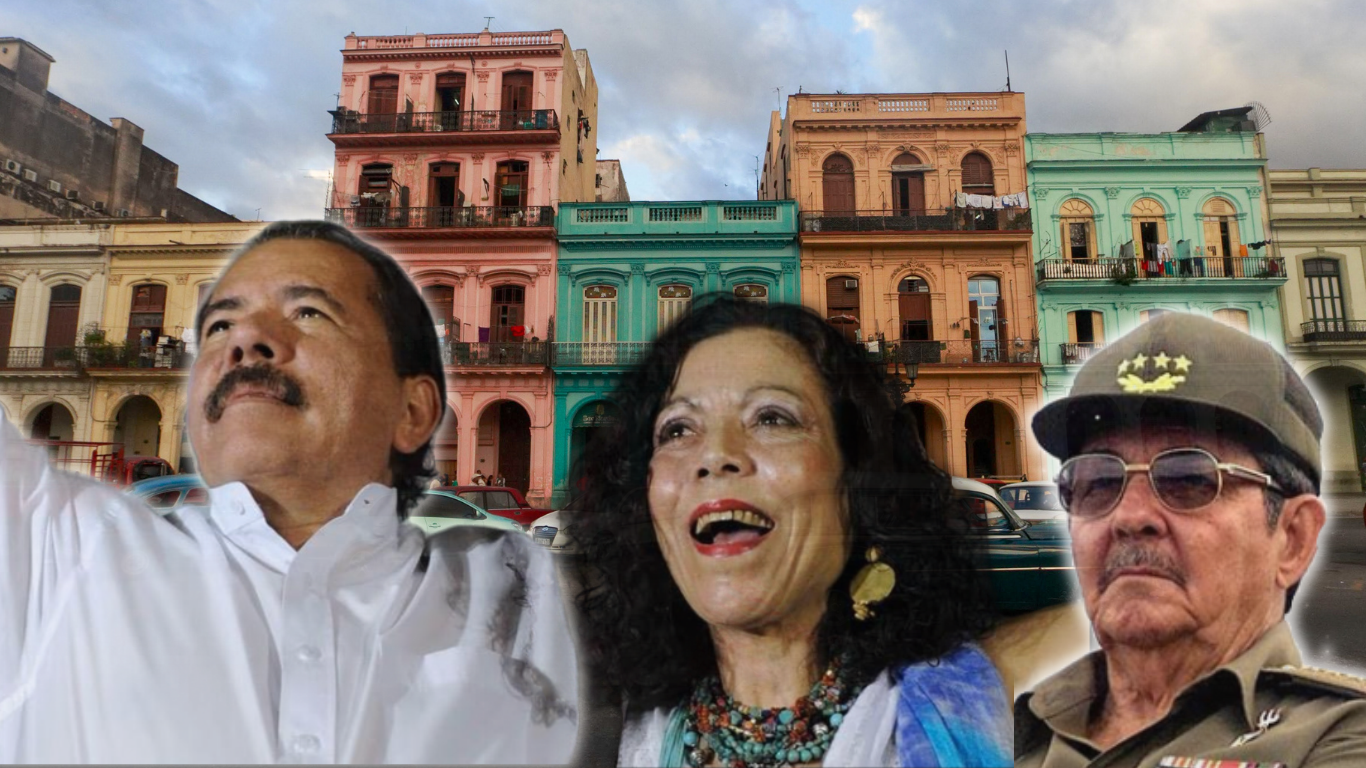
Curiously, this is a kind of bait‑and‑switch trap set up by the self‑styled “left” to mask its adherence to the totalitarianism it promotes, whose most prominent examples are in Cuba (with an aging but fierce dynastic dictatorship that has ruled since 1959) and Nicaragua (with the Ortega/Murillo marriage turned into a marital regime). Fortunately, Maduro was effectively removed from that framework; and although Venezuela has not yet fully regained democracy, it seems to have been saved.
In that context, the “left” and its proxies frame the issue as a clash with “the right and the far‑right”. That label is truly a disqualification that adds to calling those who do not believe in an omnipresent, omnipotent state “fascists” – i.e., “fachos” – who threaten individual freedoms to undertake and progress.
In electoral debates, the underlying proposal is to fight not so much the right as the “far‑right”. Such a thesis aims to sell ideological smoke under the pretense of defeating something nonexistent – a ghost.
But before defeating the far‑right ghost, what the “left” wants is to cement its power, appealing to a kind of ideological terrorism.
Because constructing the far‑right as the abominable monster that the “left” claims to protect society from ultimately means falling into the claws of those who have historically used democratic forms to entrench themselves in power forever. Once they obtain it, no one takes it away… or almost no one, if we do not forget Venezuela.