Haiti’s 2026 HSDI Initiative & El Salvador Gang Raid: In‑Depth Analysis
An authoritative review of the U.S.-backed Haiti Stabilization and Development Initiative and El Salvador’s 2026 cross‑border raid, examining security, legal, and socioeconomic impacts.
Also available in: Español
Background of Haiti’s Prolonged Crisis
For more than a decade Haiti has grappled with intertwined political, economic, and humanitarian crises. Chronic instability, amplified by the 2010 earthquake, the 2021 magnitude‑7.2 quake, and successive hurricanes, has eroded public services, weakened the rule of law, and created fertile ground for organized crime. According to the United Nations, over 70% of the population lives below the poverty line and the country’s gross domestic product has stagnated since 2010. In Port‑au‑Prince, armed gangs dominate large swaths of the city, turning neighborhoods into de‑facto war zones and deterring foreign investment.
The Haitian government’s capacity to assert authority remains limited, prompting reliance on foreign assistance for security, health, and basic infrastructure. International donors—including the United States, Canada, and the European Union—have provided emergency aid, yet coordination challenges and recurring corruption allegations have constrained the effectiveness of these efforts.
The United States‑Backed Haiti Stabilization and Development Initiative (HSDI)
Official Announcement and Core Objectives
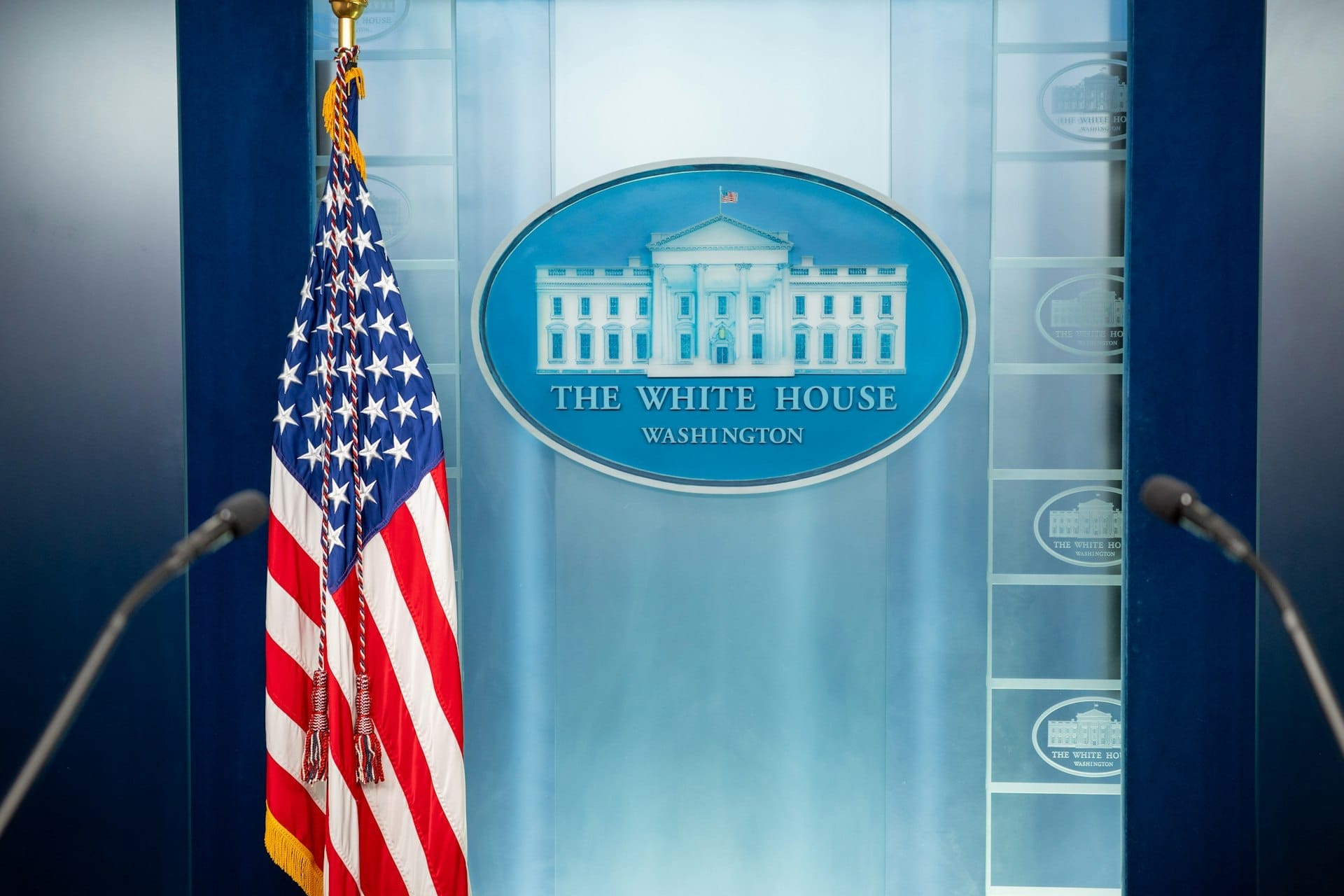
On 2026 the U.S. administration announced the Haiti Stabilization and Development Initiative (HSDI), a five‑year, $3.2 billion package aimed at addressing the root causes of violence and underdevelopment. The initiative is structured around three pillars: security‑sector reform, infrastructure reconstruction, and economic empowerment. In the announcement, a senior State Department official emphasized that “the United States is committed to a sustainable partnership that respects Haitian sovereignty while tackling the drivers of instability.”
Security‑Sector Reform
The HSDI earmarks $1.1 billion for professionalizing Haiti’s national police force. Funding will cover modern training curricula, acquisition of body‑armor and communication equipment, and joint operations with regional partners such as the Caribbean Community (CARICOM) policing network. A civilian oversight board, composed of civil‑society representatives and independent experts, will monitor human‑rights compliance and investigate allegations of police misconduct.
Infrastructure Reconstruction
Infrastructure funding targets the rebuilding of critical assets destroyed in the 2021 earthquake and subsequent storms. Priorities include restoring major road corridors, rehabilitating schools, and reconstructing health clinics in the most vulnerable communes. The plan also allocates $800 million to micro‑enterprise development, with a focus on agriculture, fisheries, and renewable‑energy cooperatives that can provide alternatives to the informal economies dominated by gang extortion.
Implementation and Transparency Mechanisms
To ensure accountability, a joint task force—comprising the U.S. State Department, Haiti’s Ministry of Planning and External Cooperation, and an independent audit firm—will oversee project execution. Quarterly progress reports will be published on a dedicated online portal, allowing civil‑society groups, journalists, and donors to track expenditures and outcomes in real time.
El Salvador’s Security Policy Under President Nayib Bukele
Evolution of the ‘Territorial Control’ Doctrine
Since taking office in 2019, President Nayib Bukele has pursued an aggressive security agenda known as the “Territorial Control” doctrine. The approach emphasizes rapid, decisive military action against organized crime, often bypassing traditional judicial processes. Bukele’s administration argues that conventional policing failed to curb gang violence, which claimed over 6,000 lives in 2025 alone.
Regional Collaboration and Controversy
El Salvador has signed security pacts with neighboring states, including a 2024 memorandum of understanding with Guatemala and Honduras to share intelligence on transnational criminal networks. While the cooperation has yielded short‑term gains, Bukele’s willingness to conduct operations beyond El Salvador’s borders has drawn criticism from human‑rights organizations, which warn of potential sovereignty violations and civilian harm.
The Cross‑Border Raid on Haitian Gang Leader Victor “Le Cobra” Montaño
Planning and Execution
El Salvador’s armed forces, in coordination with a covert multinational task force, launched a precision raid on the fortified residence of Victor “Le Cobra” Montaño, a notorious Haitian gang leader accused of trafficking weapons and narcotics across the Caribbean. The operation involved a helicopter insertion, special‑operations troops, and aerial‑surveillance drones. According to the Salvadoran Ministry of Defense, the raid was a “targeted strike against a threat to regional stability.”
Official Statements and Public Reaction
President Bukele celebrated the raid in a televised address, stating, “We have delivered a decisive blow to the criminal networks that plague our neighborhoods and threaten our citizens.” He framed the action as a protective measure for both El Salvador and Haiti, asserting that the operation was conducted with “the full consent of the Haitian authorities.”
“Our forces acted swiftly and responsibly, neutralizing a dangerous element that has destabilized the region for far too long,” Salvors President Bukele said.
Immediate Outcomes
The raid resulted in the capture of several high‑ranking lieutenants and the seizure of weapons, cash, and contraband. No civilian casualties were reported in the official after‑action report, but independent observers called for an impartial investigation to verify the claims and assess any collateral damage.
Legal and Ethical Considerations
International Law and Sovereignty
Under the United Nations Charter, any use of force on foreign soil requires either a UN Security Council resolution or the explicit consent of the host nation. While Salvadoran officials claim Haitian approval, no formal treaty or UN resolution has been published, raising questions about the raid’s legality. Legal scholars contend that without transparent documentation, the operation could be interpreted as a breach of Haitian sovereignty.
Human‑Rights Implications
Human‑rights groups, including Amnesty International, have urged both El Salvador and Haiti to ensure that detainees receive fair trials and that evidence gathered complies with international standards. The use of special‑operations forces, while tactically effective, raises concerns about due‑process safeguards and the potential for extrajudicial actions.
Reactions from Haitian Communities
Local Sentiment in Affected Neighborhoods
Residents of the Port‑au‑Prince district surrounding Montaño’s compound expressed a mixture of relief and apprehension. Community leaders praised the removal of a feared gang figure, noting a short‑term decline in extortion attempts and a heightened sense of safety. Conversely, some citizens warned that foreign military interventions could destabilize already fragile local governance structures.
Public Opinion Toward El Salvador’s Involvement
Surveys conducted by the Haitian Institute for Public Opinion (HIPO) indicated that 58% of respondents felt “optimistic” about Bukele’s involvement, citing the immediate reduction in gang‑related violence. However, 37% expressed “concern” over the precedent of external forces intervening in domestic affairs, and 5% remained “undecided.”
International Community’s Response
United Nations and Regional Bodies
The United Nations Office on Drugs and Crime (UNODC) released a statement urging “transparent cooperation between Haiti and El Salvador” and called for an independent fact‑finding mission to assess the raid’s compliance with international norms. The Organization of American States (OAS) scheduled an emergency session to discuss broader implications for regional security cooperation.
U.S. Position and Coordination with HSDI
The U.S. administration welcomed the operation as a “complementary effort” to the HSDI’s security objectives. In a State Department briefing, officials emphasized that the United States would “continue to work closely with both Haiti and El Salvador to ensure that any joint actions respect legal frameworks and protect civilian populations.”
Implications for Regional Stability
Potential for a New Security Paradigm
The collaboration between El Salvador’s military and Haitian authorities could signal a shift toward more proactive, cross‑border security initiatives in the Caribbean and Central America. Proponents argue that such partnerships are essential to dismantle transnational criminal networks that exploit porous borders and weak law‑enforcement capacities.
Risks of Escalation
Critics warn that unilateral military actions risk escalating tensions, especially if perceived as infringing on national sovereignty. There is a danger that other regional powers might adopt similar tactics, leading to a fragmented security landscape where the rule of law is sidelined in favor of rapid, force‑based solutions.
Future Outlook and Recommendations
Strengthening Multilateral Frameworks
Experts recommend establishing a formal, multilateral security framework under the auspices of the OAS or the Caribbean Community (CARICOM) to coordinate anti‑gang operations. Such a framework would provide clear legal parameters, joint training programs, and mechanisms for accountability, reducing the need for ad‑hoc, unilateral raids.
Enhancing Civilian Oversight
Both Haiti and El Salvador should institutionalize civilian oversight bodies with the authority to review military operations, investigate alleged abuses, and ensure transparency. Independent monitoring can build public trust and mitigate accusations of overreach.
Investing in Socio‑Economic Alternatives
Long‑term stability hinges on addressing the socioeconomic drivers of gang recruitment. Fully implementing the HSDI’s economic‑empowerment pillar—through micro‑enterprise grants, agricultural modernization, and vocational training—could reduce the allure of criminal enterprises by providing viable employment opportunities, improving education, and restoring essential services.
Conclusion
The convergence of the U.S.-backed Haiti Stabilization and Development Initiative and El Salvador’s 2026 cross‑border raid against a Haitian gang leader illustrates the complex interplay between diplomatic aid and hard‑line security tactics in the region. While the immediate outcomes—arrests, seized contraband, and a reported sense of relief among some Haitian residents—suggest a tactical victory, the broader legal, ethical, and geopolitical ramifications remain contested. Sustainable peace will require a balanced approach that couples robust security measures with transparent governance, respect for sovereignty, and substantial investment in the socioeconomic foundations of Haitian society. Only through coordinated, multilateral efforts can the region hope to break the cycle of violence and build a durable future for its citizens.