Colada Morada and Day of the Dead: tradition in Quito
Explore the history of the Day of the Dead in Quito and discover how the delicious colada morada, the drink that accompanies this ancient celebration, was born.
What is celebrated on the Day of the Dead?
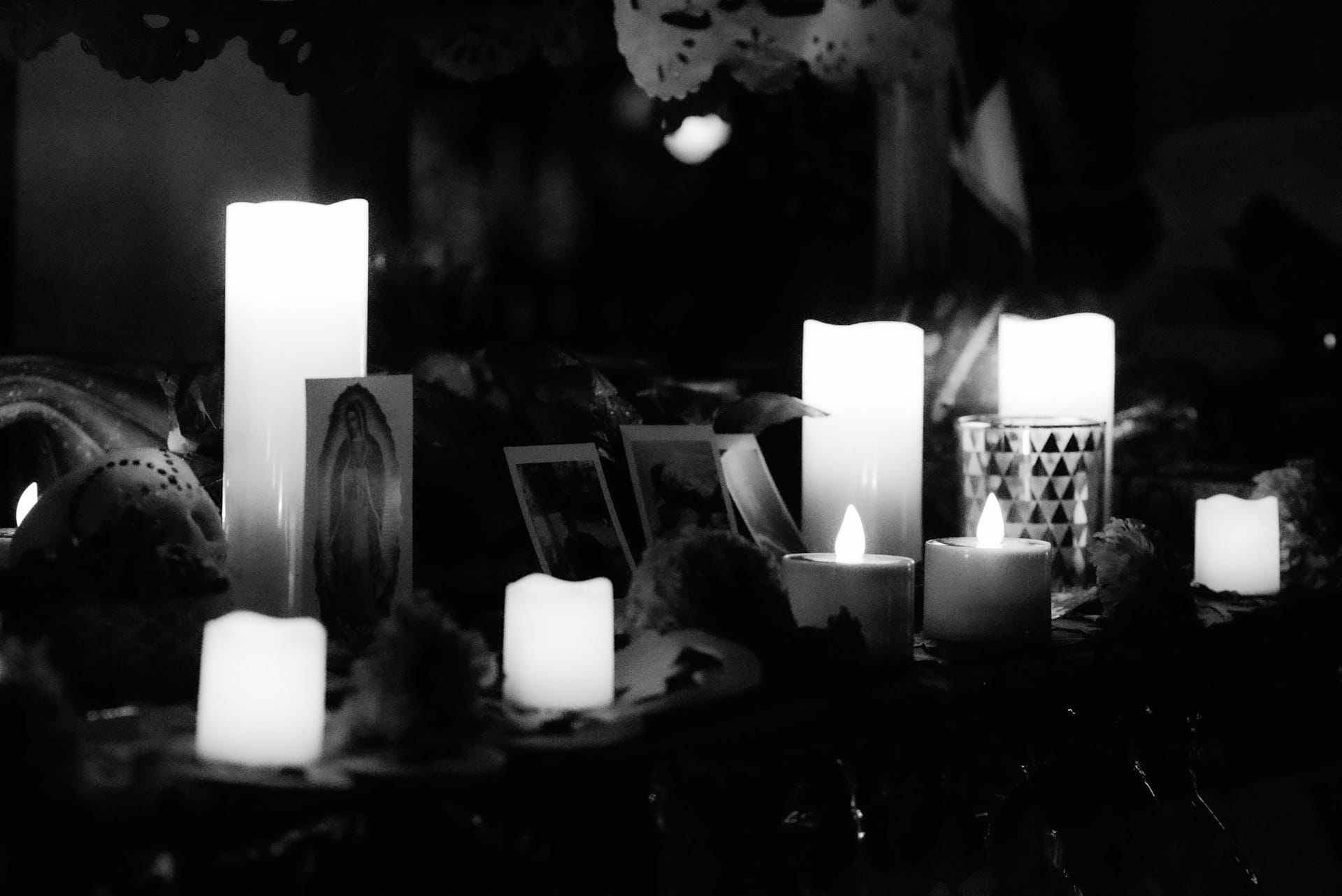
In Quito, November 2nd is much more than a date on the calendar; it is a moment of remembrance and reunion with loved ones who are no longer with us. Families prepare colorful altars, visit cemeteries, and share typical foods that, according to tradition, help spirits find their way back home.
Pre‑colonial origins and Spanish influence
Before the arrival of the Spaniards, Andean peoples already honored their ancestors with offerings of food, flowers, and personal objects. With colonization, Catholic culture incorporated the celebration of All Saints and All Souls' Day, creating a unique blend that we now know as the Day of the Dead.
Colada morada: origin and evolution
Colada morada is the star drink of this date. Its history goes back to the 19th century, when Quito convents began preparing an infusion made from red fruits, purple corn and spices to accompany the traditional buñuelos. Over time, the recipe became popular and turned into a symbol of the festivity.
According to contemporary documents, the first written mention of colada appears in an 1857 chronicle that describes how monks used the drink to “calm the souls of those who weep”. The combination of sweet and aromatic flavors was meant to offer comfort to both the living and the spirits.
Ingredients that give it color and aroma
Red and black fruits: blackberries, blueberries, plums and raisins.
Purple corn or purple corn flour, which provides the characteristic violet hue.
Spices: cinnamon, clove, star anise and allspice.
Natural sweeteners: panela or brown sugar.
Aromatic herbs: cinnamon sticks and orange peel.
The secret lies in the slow cooking, which allows the pigments and essential oils of the fruits and spices to integrate perfectly, creating a deeply aromatic beverage with an intense color.
How it was originally prepared
In the convents, colada was made in large copper cauldrons. First the fruits and spices were boiled in water, then the purple corn was added, and finally the panela. The whole process could last more than an hour, and the drink was served hot, accompanied by airy buñuelos.
Today, many families follow a similar recipe, adapted to modern cookware. The important thing is to keep the balance of flavors: the acidity of the fruits, the sweetness of the panela, and the spiced touch that evokes childhood memories.
How it is celebrated today in Quito
In the capital, streets fill with stalls selling colada morada and buñuelos. Markets become true gastronomic festivals. Children run with their wooden spoons, while elders share stories of their grandparents.
Family altars, known as ofrendas, include photographs, candles, pan de muerto and, of course, a jug of colada morada. Each family adds its personal twist: some add grated coconut, others prefer a lighter version with almond milk.
“Colada morada is the sweet hug that reminds us of those who are no longer here.” – Grandma María, Quito
Participating in this tradition is a way to connect with the city’s history and with one’s own cultural identity. The colada is not just a drink; it is an emotional bond that unites generations and reinforces the sense of community.
If you ever visit Quito in November, don’t miss the chance to taste a freshly made cup of colada morada. Close your eyes, savor the blend of fruits and spices, and let the aroma transport you to memories of your loved ones.