Cheap and Nutritious Protein: Save Without Losing Quality
Discover affordable protein sources, buying tips, and easy recipes to keep your high‑protein diet without overspending.
Introduction
Maintaining an adequate protein intake doesn’t have to empty your wallet. With smart planning and knowledge of the most cost‑effective foods, you can meet your nutritional goals without resorting to pricey supplements or premium meats.
In this article you’ll find the best affordable protein sources, purchasing strategies that stretch your budget, and quick recipes that make the most of every ingredient.
Economical Protein Sources
Eggs
Eggs remain the most versatile and cheap food for getting complete protein. A large egg provides about 6 g of protein and fewer than 80 calories.
You can scramble them, make an omelet, boil them for on‑the‑go snacks, or use them as a salad base. Buying cartons of 12 or 18 is usually cheaper than buying individually, and stored in the fridge they can last up to three weeks.
Dried and Canned Legumes
Beans, lentils, and chickpeas are true heroes of budget nutrition. One cup of cooked lentils contains roughly 18 g of protein and fiber that aids digestion.
Canned versions are convenient for quick recipes, though they may contain more sodium; rinse them before use to reduce it. Purchasing dried legumes in bulk cuts the cost per serving even further.
Chicken Breast and Thighs
Chicken is a lean protein source that fits any cooking style. Thighs, often cheaper than breast, still provide around 20 g of protein per 100 g and have a juicier flavor.
Buy whole pieces, cut portions, and freeze them quickly to avoid waste and take advantage of kilogram‑price deals.
Canned Fish
Tuna, sardines, or mackerel in cans are fast and inexpensive options. A can of water‑packed tuna offers about 25 g of protein and is ideal for salads, wraps, or pastas.
Fish also supplies omega‑3 fatty acids, beneficial for cardiovascular health. Look for brands without added oil to keep calories and unnecessary fats down.
Low‑Fat Dairy
Plain Greek yogurt, cottage cheese, and skim milk are excellent for supplementing protein. Greek yogurt contains between 10 and 12 g of protein per 100 g, and buying it in family‑size containers dramatically lowers the cost per serving.
Choose versions without added sugars and add fruit or nuts for a balanced snack.
Tofu and Tempeh
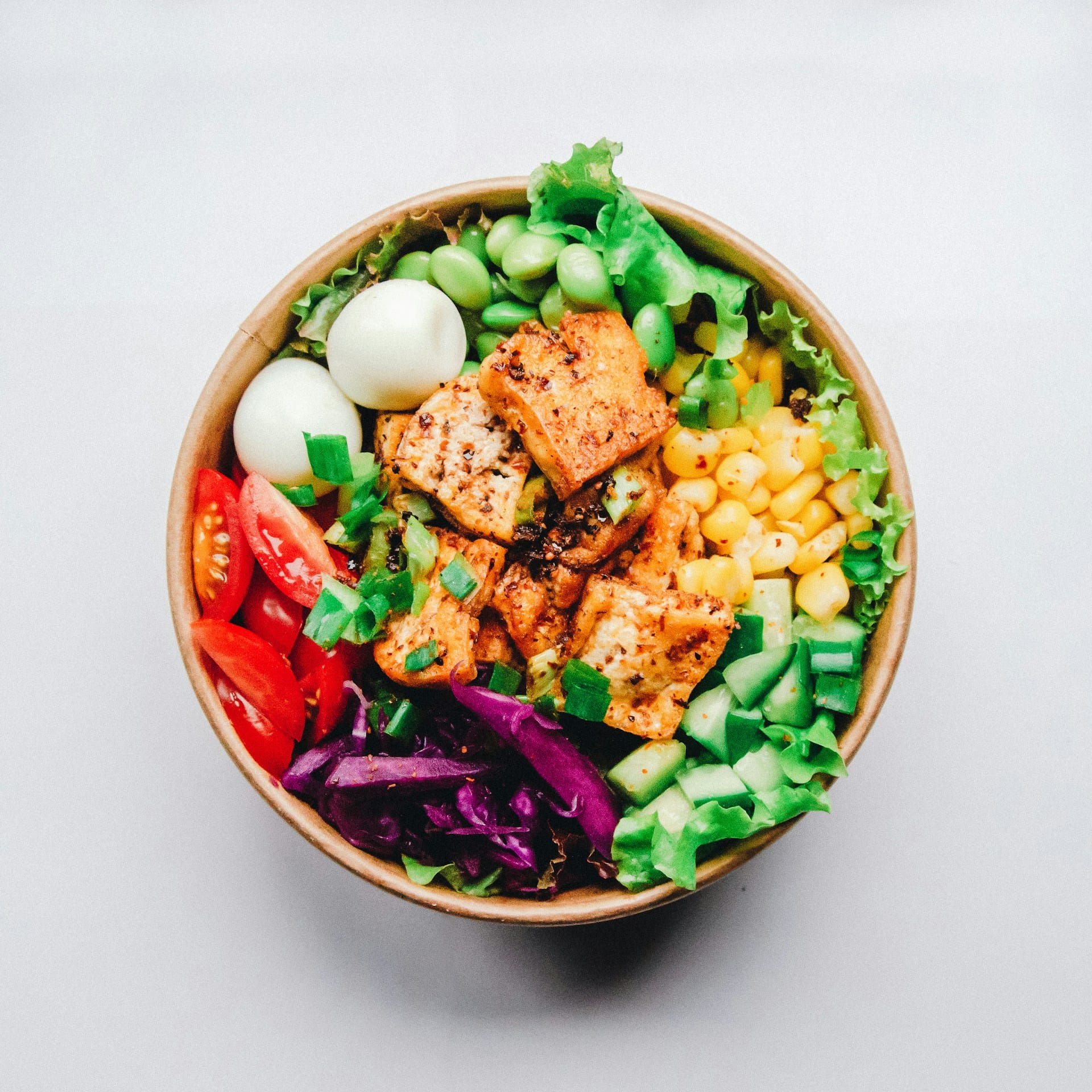
For those seeking plant‑based options, tofu and tempeh are complete and very affordable proteins, especially when bought in large blocks or at bulk‑food stores.
A 300 g block of tofu provides around 20 g of protein. Marinate it with soy sauce and spices, then grill or stir‑fry for a delicious texture.
Quinoa and Oats
Although quinoa is often seen as a premium pseudo‑cereal, buying it in bulk reduces its price and makes it an excellent plant protein source (about 8 g per cooked cup).
Oats, besides being high in fiber, deliver 5–7 g of protein per cup and can be combined with milk and nuts for a nutritious, cheap breakfast.
Nuts and Seeds
Almonds, peanuts, and sunflower seeds are dense in protein and healthy fats. Purchasing them in large packages or bulk stores yields very competitive prices.
A 30 g serving of peanuts provides roughly 7 g of protein and can be a quick snack or an addition to salads and yogurt.
Strategies to Save on Protein
Buy in bulk: Legumes, grains, nuts, and seeds are usually cheaper per kilogram when purchased without individual packaging.
Choose store brands: Supermarket private labels offer comparable quality to leading brands at a lower price.
Use coupons and deals: Subscribe to supermarket newsletters and discount apps to receive coupons for protein products.
Plan and batch‑cook: Preparing large quantities (e.g., a pot of lentils or baked chicken) lets you portion meals throughout the week and avoids impulse buys.
Freeze portions: Divide meat, tofu, or cooked legumes into airtight bags and freeze; this keeps freshness and lets you take advantage of seasonal pricing.
Take advantage of seasonal produce: Some seasonal vegetables and fruits can complement your protein dishes at low cost while adding vitamins.
Quick and Cheap Recipes
Lentil Salad with Hard‑Boiled Egg: combine cooked lentils, chopped egg, tomato, onion, and a dressing of olive oil and vinegar.
Shredded Chicken and Greek Yogurt Wrap: use whole‑grain tortillas, cooked chicken, yogurt, lettuce, and a pinch of mustard.
Tofu Stir‑Fry with Frozen Veggies: sauté marinated tofu, a mix of frozen vegetables, soy sauce, and ginger; serve over brown rice.
Pasta with Tuna and Tomato: mix water‑packed tuna, homemade tomato sauce, basil, and a touch of low‑fat Parmesan.
“The key isn’t to spend more, but to spend smarter.” – Chef Alice
Conclusion
By choosing protein‑rich foods that fit your budget and applying smart purchasing strategies, you can maintain a balanced diet without sacrificing flavor or quality.
Combining animal and plant sources, buying in bulk, and meal planning are fundamental pillars for saving while caring for your health.
Start today by reviewing your shopping list and discover how much you can cut costs without lowering your protein intake.